
There is no universal winner between Semrush, Ahrefs, and Moz. The right choice depends on whether you need backlink depth, marketing breadth, or a simple SEO foundation.
Updated September 14, 2026: Pricing, plan names, AI visibility features, and vendor statistics were rechecked against current public sources. Use this article to shortlist, then verify the live plan page before buying.
This comparison is for founders, in-house teams, and agencies deciding what to buy now. It separates headline database claims from practical limits, workflow fit, and the execution work each platform leaves to your team.
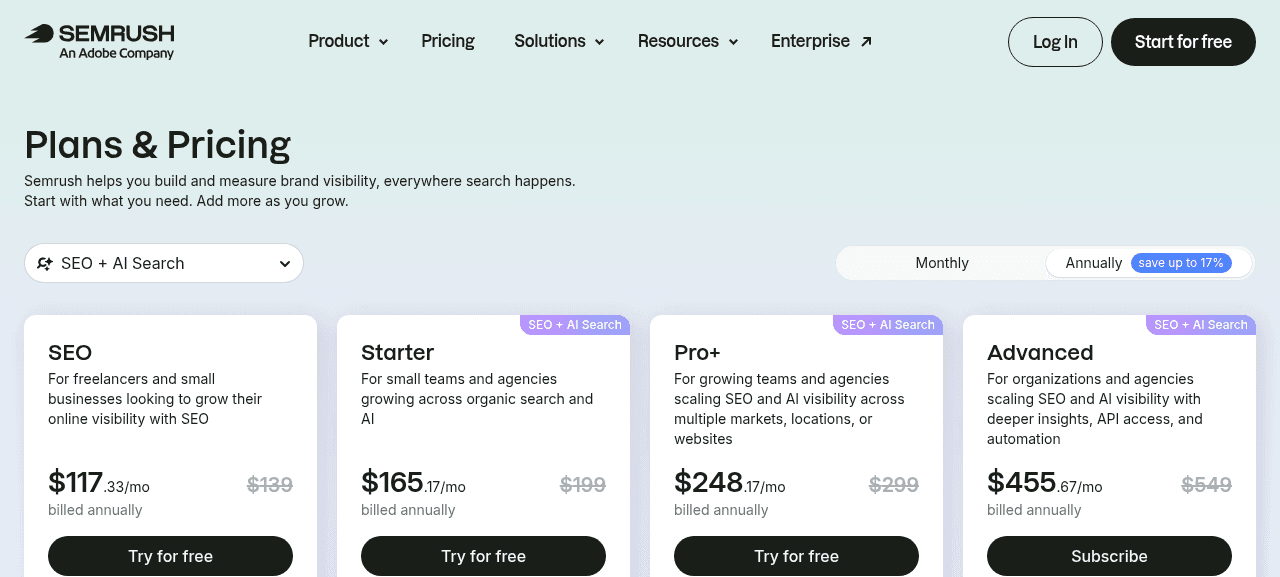
Updated 2026 context: Adobe completed its acquisition of Semrush on April 28, 2026. Semrush now operates as an Adobe company, and its current plans use SEO, Starter, Pro+, and Advanced labels. Check the vendor pricing page before subscribing because plan names, limits, and add-ons can change.
Most comparison articles want you to choose the "best" SEO tool. This one doesn't.
Choosing the wrong SEO tool is expensive. Not just in subscription cost, but in lost momentum, bad data decisions, and months spent inside a platform that does not match how you actually work. Semrush, Ahrefs, and Moz are all powerful. They are also built for very different types of users.
Instead of listing features, this guide focuses on fit. Who each tool is built for. Where each one shines. Where each one quietly disappoints.
If you are about to invest serious money into your SEO stack, the next few minutes will likely save you a year of friction.
Which SEO Tool Should You Use? (The 60-Second Answer)
If you're in a hurry, here's the decision framework:
Your situation | Best fit | Current starting point | Why |
|---|---|---|---|
Solo founder, one site, budget first | Moz Pro Starter | $49/mo | Simple entry plan for core SEO work |
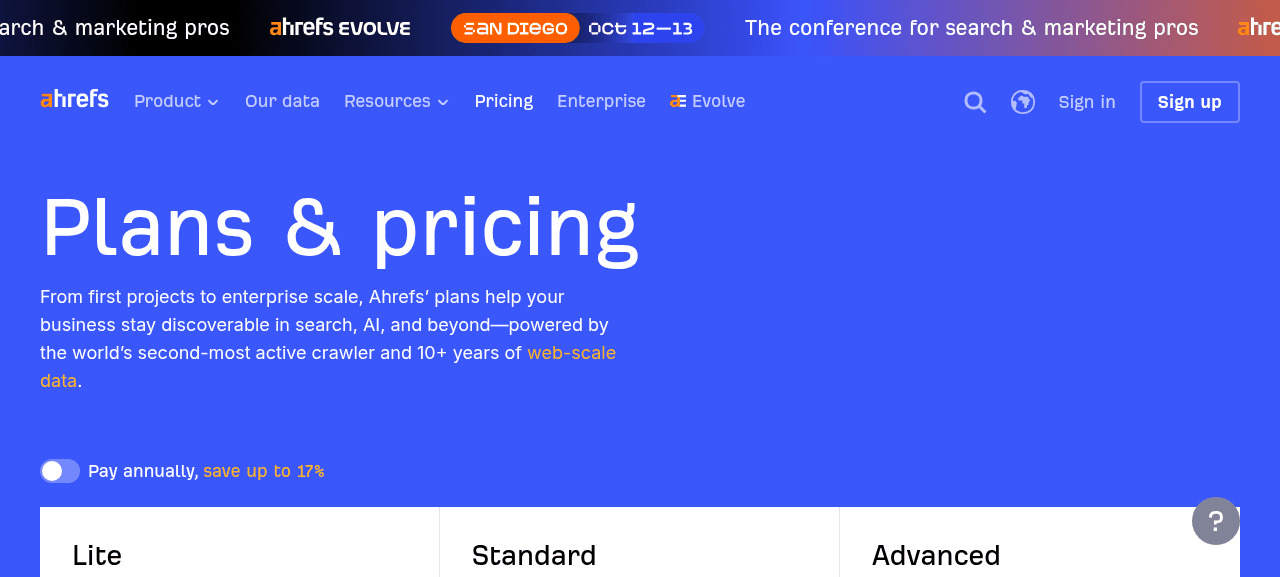
Backlink and competitor research specialist | Ahrefs Lite | $129/mo | Deep link and organic research workflow |
SEO plus paid media and broad reporting | Semrush SEO | $139/mo | Broad SEO, PPC, audit, and reporting coverage |
SEO plus AI search visibility | Semrush Starter | $199/mo | Combines SEO with 50 daily tracked prompts |
Research-to-published content execution | Keytomic | $99/mo | Connects research, content, publishing, indexing, and visibility |
Still not sure? Keep reading. The details matter more than the headlines—especially the stuff about Ahrefs' credit system.
What changed in this 2026 comparison
Search results that help buyers tend to do four things well: lead with a clear verdict, show current price and usage limits, explain who should choose each tool, and disclose where vendor metrics are not directly comparable.
Semrush now has a separate SEO tier and combined SEO + AI Search plans after Adobe’s acquisition.
Ahrefs separates its low-cost Starter product from the fuller Lite plan and its higher unlimited-credit tiers.
AI visibility, prompt limits, and update cadence now belong in any serious tool comparison.
Pricing and database totals are snapshots, so source links and a checked date matter.
Semrush vs Ahrefs vs Moz: Full Pricing Comparison (2026)
For a more focused comparison of Ahrefs and Mangools, see Mangools vs Ahrefs.
Criteria | Semrush | Ahrefs | Moz Pro |
|---|---|---|---|
Entry plan | SEO: $139/mo, or $117.33/mo annually | Starter: $29/mo; Lite: $129/mo | Starter: $49/mo |
Higher plan shown | Starter: $199/mo, or $165.17/mo annually | Standard: $249/mo | Standard: $99/mo |
Scale plan shown | Advanced: $549/mo, or $455.67/mo annually | Advanced: $449/mo | Large: $299/mo |
Tracked keywords | 500 daily on SEO and Starter | 750 weekly on Lite | 300 on Standard |
AI visibility | Included in SEO and SEO + AI Search plans, with higher prompt limits by tier | Brand Radar AI from $199/mo; 5 to 20 prompts on Lite through Advanced | AI Visibility Dashboard and 50 to 200 tracked prompts on current Pro tiers |
Rank update cadence | Daily | Weekly | Weekly |
Keyword database | 28B+ terms across 142 regional databases | 28.7B filtered from 110B discovered | No directly comparable current total published |
Free access or trial | Free access and seven-day trial | Free tools for verified sites; Starter is paid | Free tools and trial terms vary |
Review snapshot | G2: 4.5/5 | G2: 4.5/5 | G2: 4.3/5 |
Why Every "Best SEO Tool" Article Gets This Wrong
Every comparison article on this topic has the same problem: it's written to rank, not to help you decide.
They all open with "it depends on your needs," list every feature in a side-by-side table, and then recommend whichever tool pays the highest affiliate commission (usually Semrush, since their affiliate program is aggressive).
What they don't tell you:
Who will regret each purchase six months in
That Ahrefs' Trustpilot rating sits at 2.0/5 from 306 reviews—primarily because of a credit system that has been burning users at alarming rates
That Semrush's traffic estimates and Google Analytics data don't always match
That Moz, which everyone dismisses, is actually the right call for a specific type of user
We're not going to do that. This is what we actually found, including the uncomfortable parts.
How I Actually Evaluated Semrush, Ahrefs, and Moz
Here's the methodology so you can judge the quality of the comparison yourself:
We compared current vendor documentation and public product and pricing pages, then cross-checked public G2 snapshots and the live search landscape on September 14, 2026. We did not run a controlled live-domain test, so no tool is declared universally most accurate. Results depend on country, language, database coverage, crawl timing, plan, and metric definitions. See the official Semrush pricing, Ahrefs pricing, and Moz Pro pricing pages before purchasing.
No affiliate relationship with any of the three tools. Keytomic is mentioned in this article—that's our product, and we'll be transparent about it when we get there.
G2 ratings (at time of writing):
Semrush: 4.5/5 (3,499 reviews) — See G2 reviews
Ahrefs: 4.5/5 (713 reviews) — See G2 reviews
Moz Pro: 4.3/5 (607 reviews) — See G2 reviews
G2 scores tell one story. Ahrefs' Trustpilot page tells another. We'll get into why.
Semrush vs Ahrefs vs Moz: What Each Tool Actually Does
Before comparing features, you need to understand the DNA of each platform—because the tool you choose shapes how you approach SEO, not just what data you see.
Semrush is now an Adobe company and combines SEO, AI search visibility, content, paid media, and reporting workflows. Its current plans distinguish an SEO tier from combined SEO + AI Search tiers, so compare the plan name and included prompt limits rather than assuming Semrush is one fixed bundle. The main advantage is breadth; the trade-off is a learning curve and per-feature limits.
Ahrefs is a focused SEO and AI marketing platform built around Site Explorer, Keywords Explorer, Site Audit, Rank Tracker, Content Explorer, and Brand Radar. Its current lineup separates a $29 Starter product from Lite at $129/mo and higher fair-use tiers. The strength is backlink and competitive research; the trade-off is usage limits on Starter and Lite and weekly rank tracking.
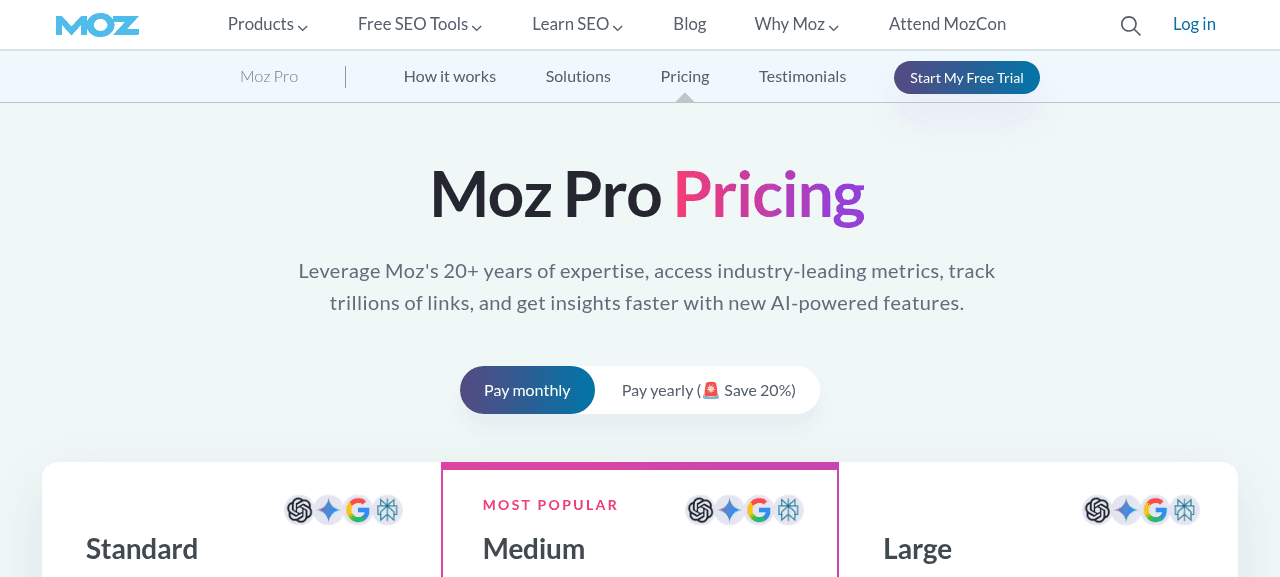
Moz Pro remains a simpler SEO suite with Keyword Explorer, Link Explorer, Site Crawl, Rank Tracking, and AI/GEO features on current plans. Starter is $49/mo, Standard $99/mo, Medium $179/mo, and Large $299/mo. It is approachable and budget-friendly; the trade-off is less depth than Semrush or Ahrefs for large-scale research.
Who Should Use Semrush, Ahrefs, or Moz (And Who Will Regret Each Choice)
This is the section that matters most. Read it as a filter, not a sales pitch.
Semrush
Right for you if:
You run an agency or in-house team managing SEO and PPC in one place
You need white-label reporting for clients
AI visibility (ChatGPT, Perplexity, Google AI Overviews) is part of your tracking strategy
You're running technical SEO audits on sites with 10,000+ pages
You want competitive intelligence on paid search, not just organic
You'll regret it if:
You only do organic SEO and will never touch the PPC tools (you're paying for features you won't use)
You're a solo blogger or freelancer on a tight budget ($140/mo is steep if you're only managing one site)
You get frustrated when what you see in Semrush doesn't match your GA4 or GSC numbers exactly
Ahrefs
Right for you if:
Link building is your primary SEO activity
You want the cleanest, most accurate backlink data available
You're managing multiple verified domains and want fast, reliable data
You prefer a focused SEO tool without marketing platform extras
You'll regret it if:
You're a power user—the credit system can burn through a month's credits in a few days of heavy use
You need predictable usage costs: compare fixed-credit Starter and Lite plans with fair-use higher tiers before committing
You need PPC intelligence alongside SEO (Ahrefs has no PPC tools)
You make business decisions based on traffic estimates—independent testing by SelfMadeMillennials showed Ahrefs estimating 51k monthly visits where GSC showed dramatically lower numbers
Moz
Right for you if:
You're managing 1–2 sites and want a solid SEO foundation without enterprise pricing
Your budget is under $100/month
You don't need agency reporting features
You care about Domain Authority as a metric for link prospecting or client communication
You're newer to SEO and want a less overwhelming interface
You'll regret it if:
You're serious about link building (Moz's backlink index is smaller and slower to update)
You need to manage multiple client sites and produce reports
AI visibility in ChatGPT and Perplexity is part of your strategy (Moz now includes AI/GEO features, with limits varying by plan)
You need deep keyword research at scale
Visual reference: See the Semrush vs Ahrefs vs Moz comparison on Trustpilot for a raw look at real user sentiment.
Semrush vs Ahrefs vs Moz Features Comparison: Keyword Research, Backlinks, Audits, and AI Visibility
Which SEO Tool Is Best for Keyword Research?
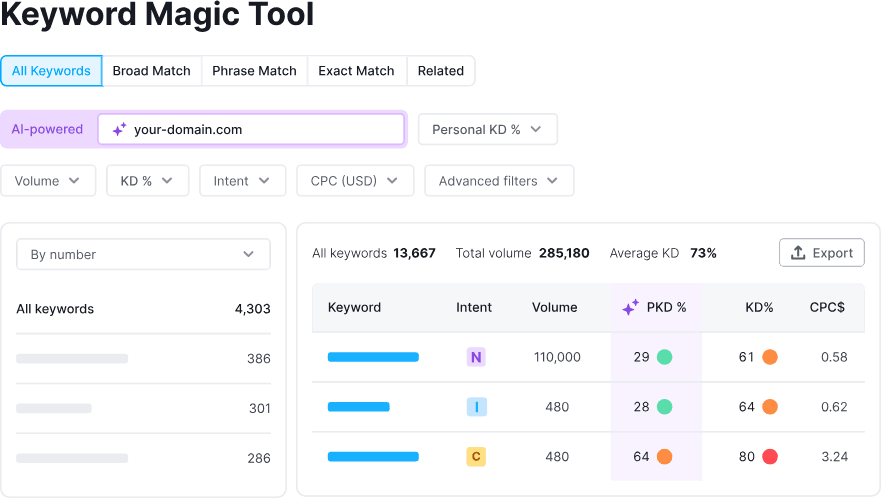
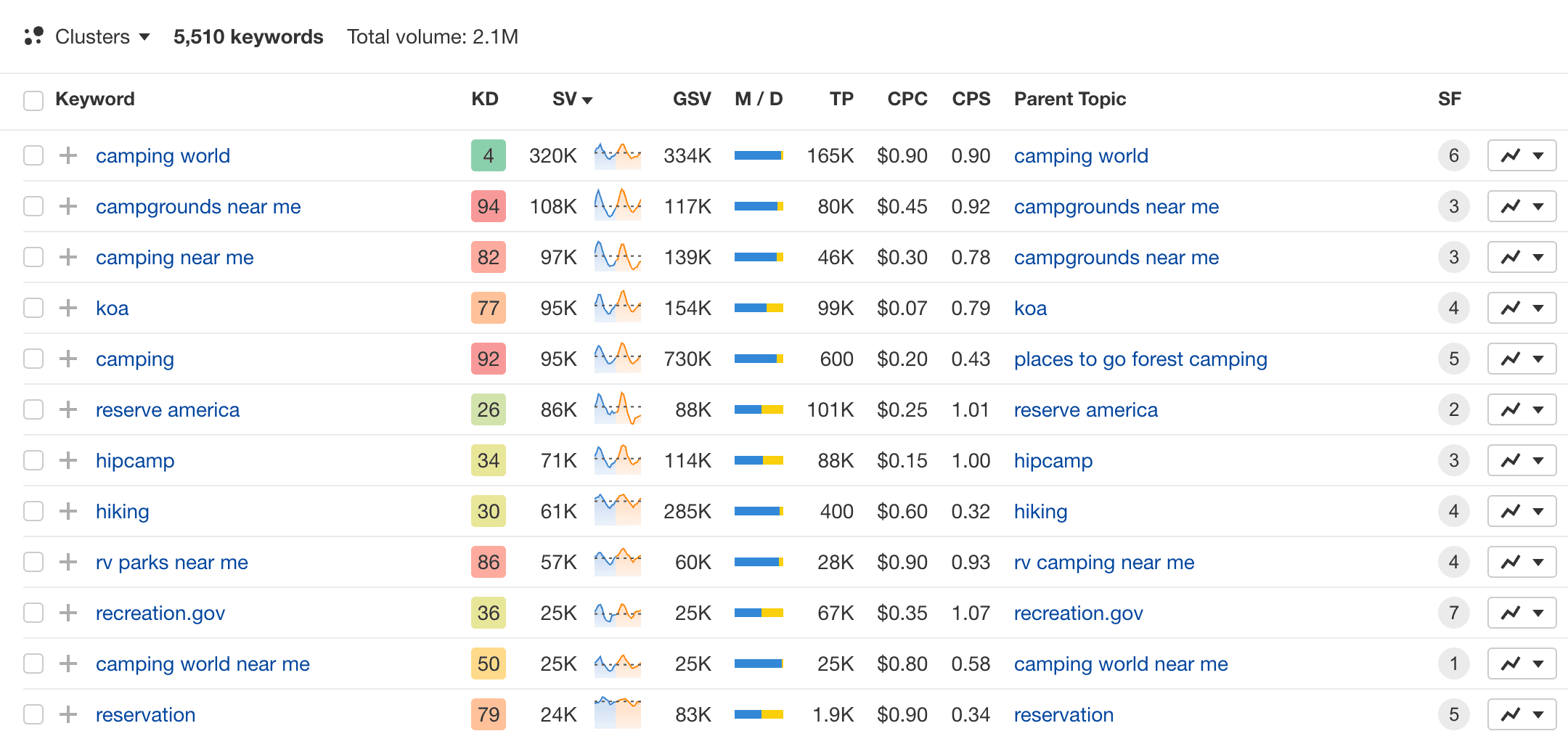
Semrush runs on a database of 28B+ keywords across 142 regional databases. The Keyword Magic Tool returns keyword ideas with search volume, keyword difficulty, CPC data, search intent classification, and long-tail clustering. If you need volume—sheer volume—Semrush wins. It's also what you want if you're running PPC alongside SEO, since the same tool handles both.
Ahrefs has a database of 28.7 billion keywords from 217 locations, and their standout metric is Traffic Potential—not just search volume. Rather than telling you how many times a keyword is searched, Traffic Potential tells you how much total traffic the #1 ranking page gets across all the keywords it ranks for. That's a fundamentally more useful number if you're trying to prioritize what to write next.
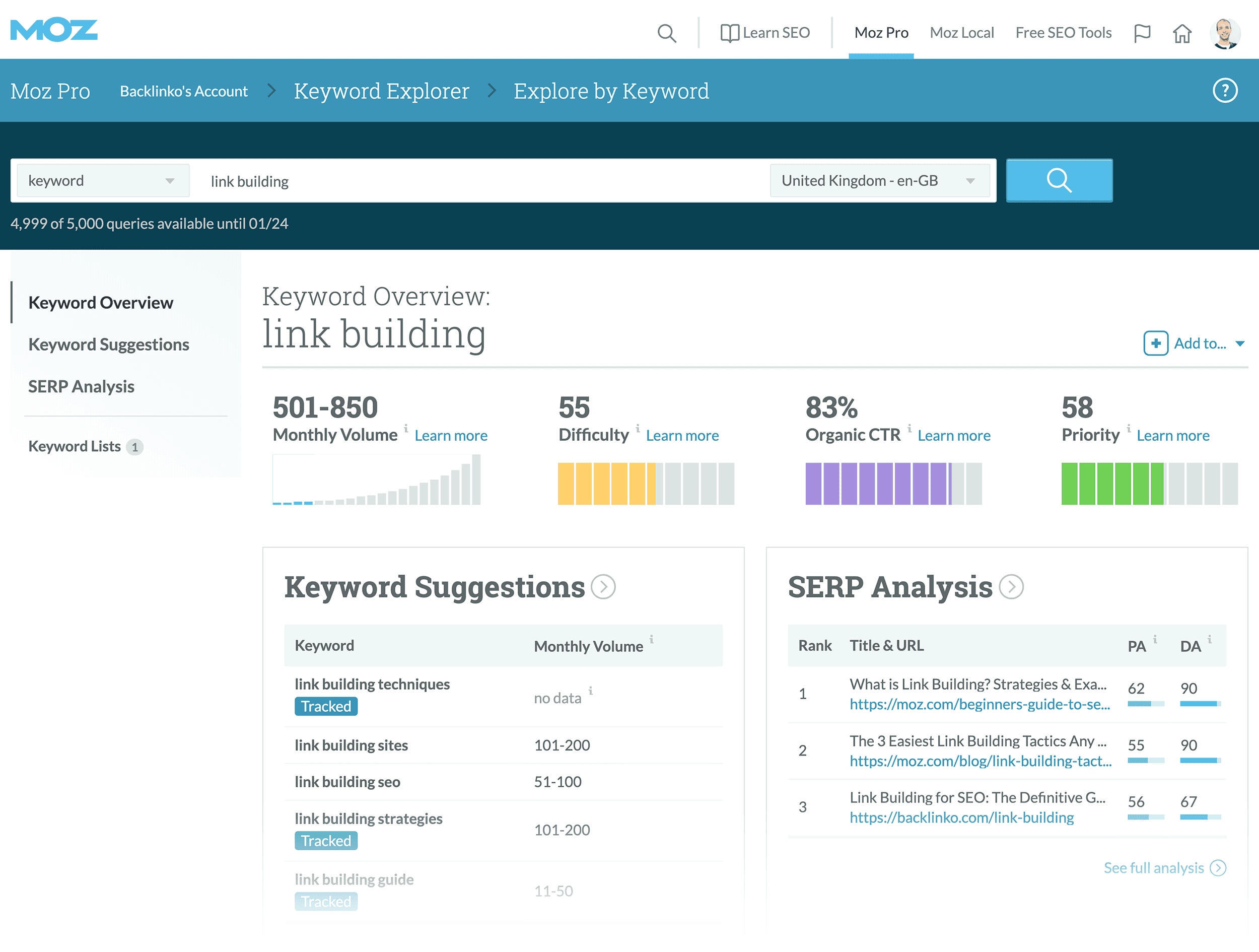
Moz has a solid keyword research tool with 1.25+ billion keywords. It works fine for less competitive niches and gives you reliable Keyword Difficulty scores and Organic CTR estimates. Not best-in-class, but more than enough if you're managing a small site and not chasing high-competition terms.
Verdict: If volume is your priority, Semrush. If you want the most meaningful data per keyword, Ahrefs' Traffic Potential metric is genuinely better. If you also run PPC, Semrush makes more sense.
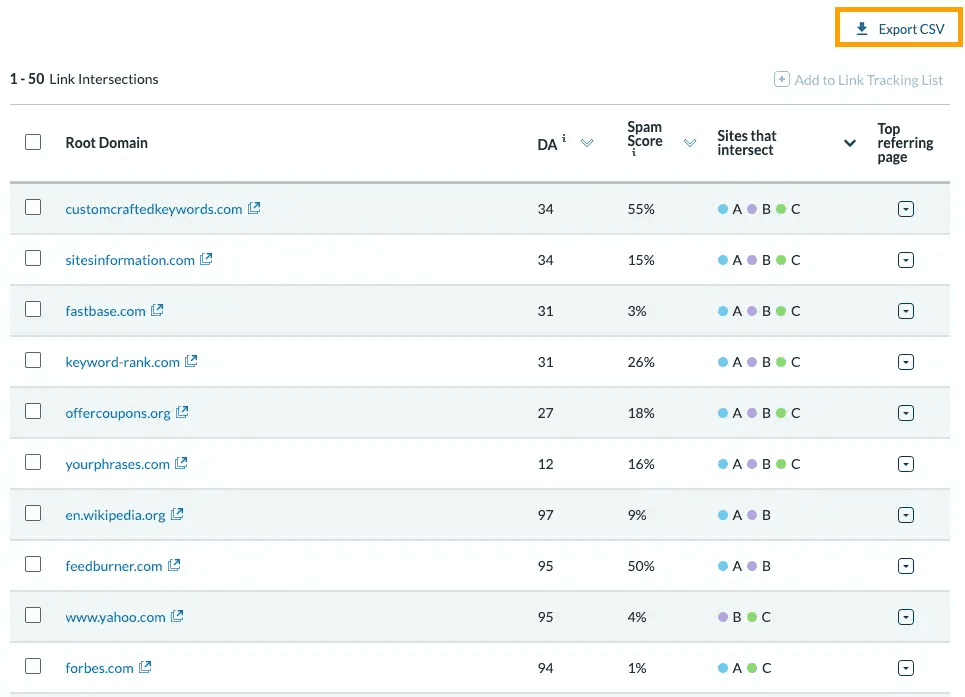
Which SEO Tool Has the Best Backlink Data?
Ahrefs wins this one decisively, and it's not particularly close.
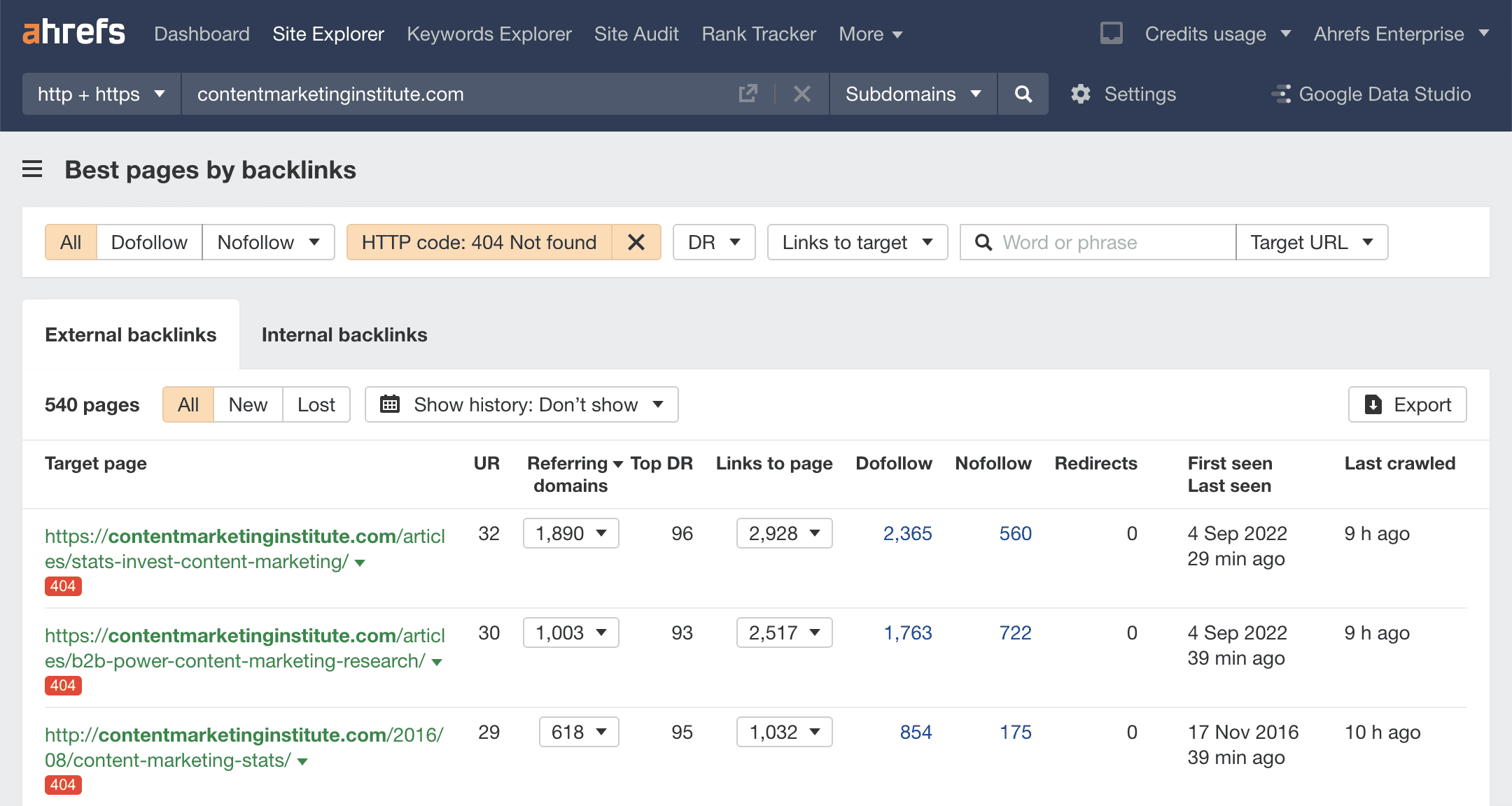
AhrefsBot is the second most active crawler globally after Google. Ahrefs positions its backlink index as one of the freshest in the industry. Users in SEO forums consistently value its backlink data even when they criticize its pricing, but freshness and coverage still vary by crawl and database definitions.
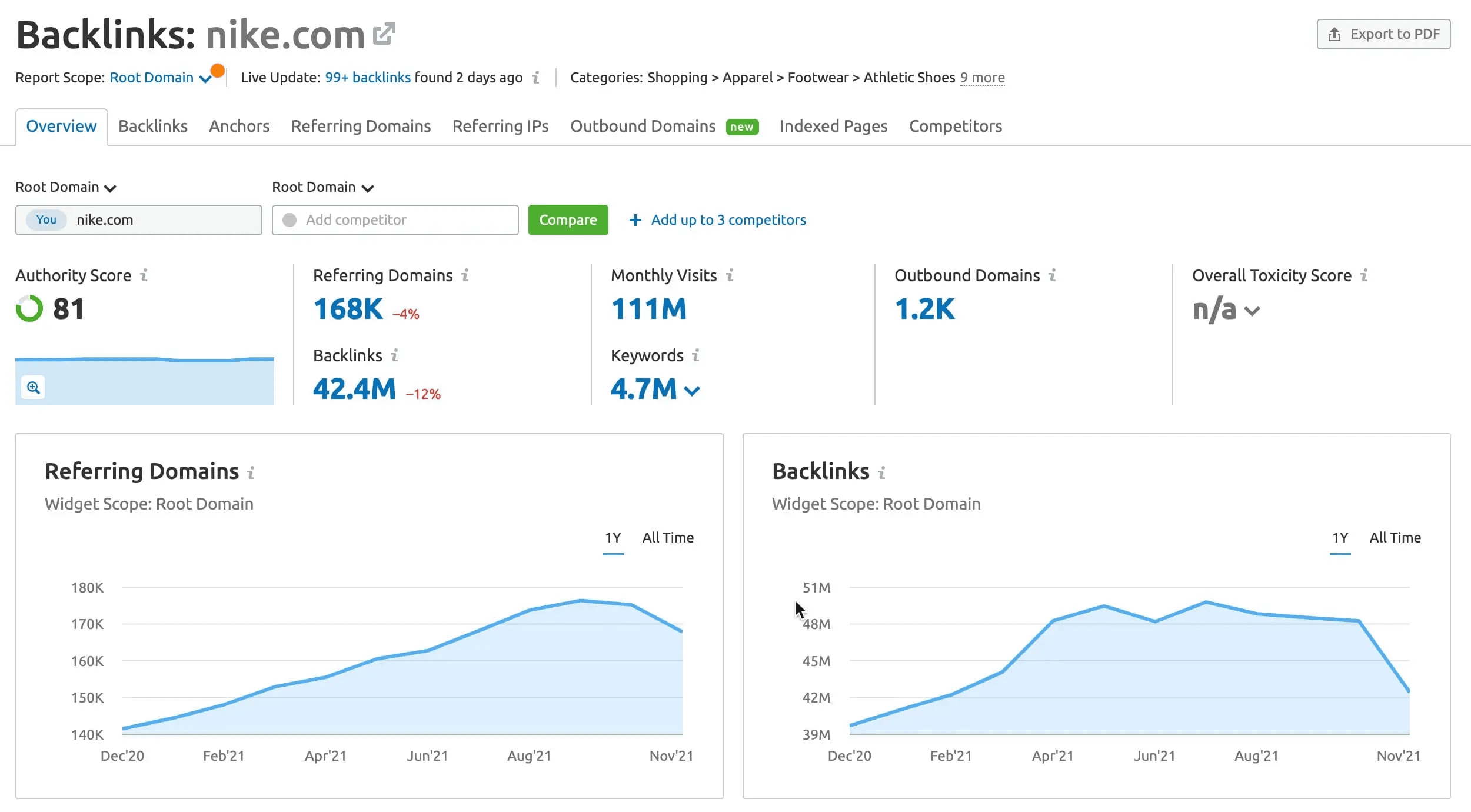
Semrush reports 43+ trillion backlinks in its index. Treat that as a vendor-reported scale figure, not a proof that every link is live or relevant. For most backlink analysis tasks it is useful, but compare the same domain, date, and filters before calling one database more accurate.
Moz publishes useful backlink metrics, but its coverage and update cadence are not directly comparable with Semrush or Ahrefs. Use the same test set if link discovery is central to your workflow.
Which SEO Tool Is Best for Site Audits and Technical SEO?
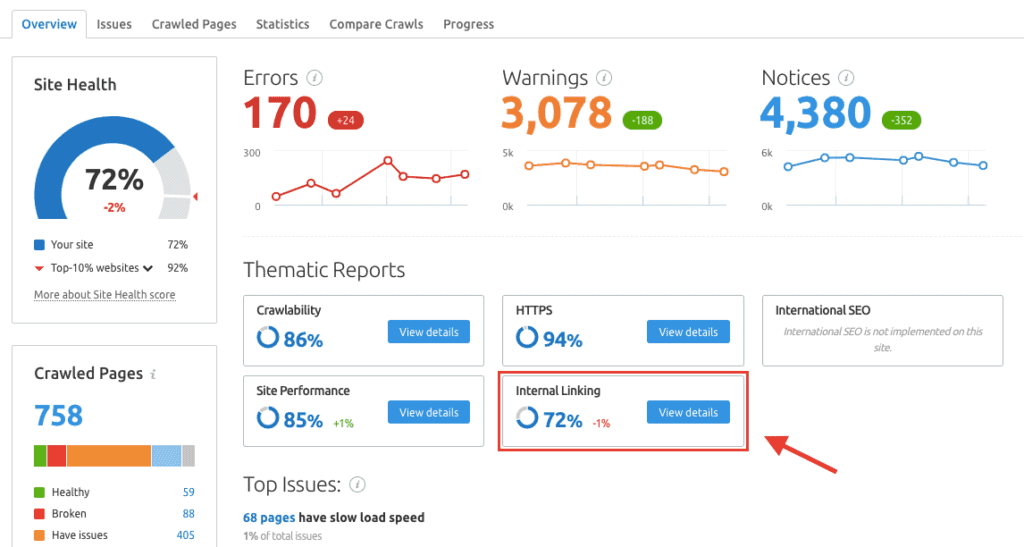
Semrush's Site Audit checks 140+ technical issues with severity classifications and prioritized fixes. It produces actionable reports with specific recommendations, not just a list of problems. For agencies managing multiple clients from one dashboard, Semrush is the clear winner here. In 2025, it also added an AI Search Health score that flags issues affecting how AI systems like ChatGPT and Perplexity crawl and represent your content.
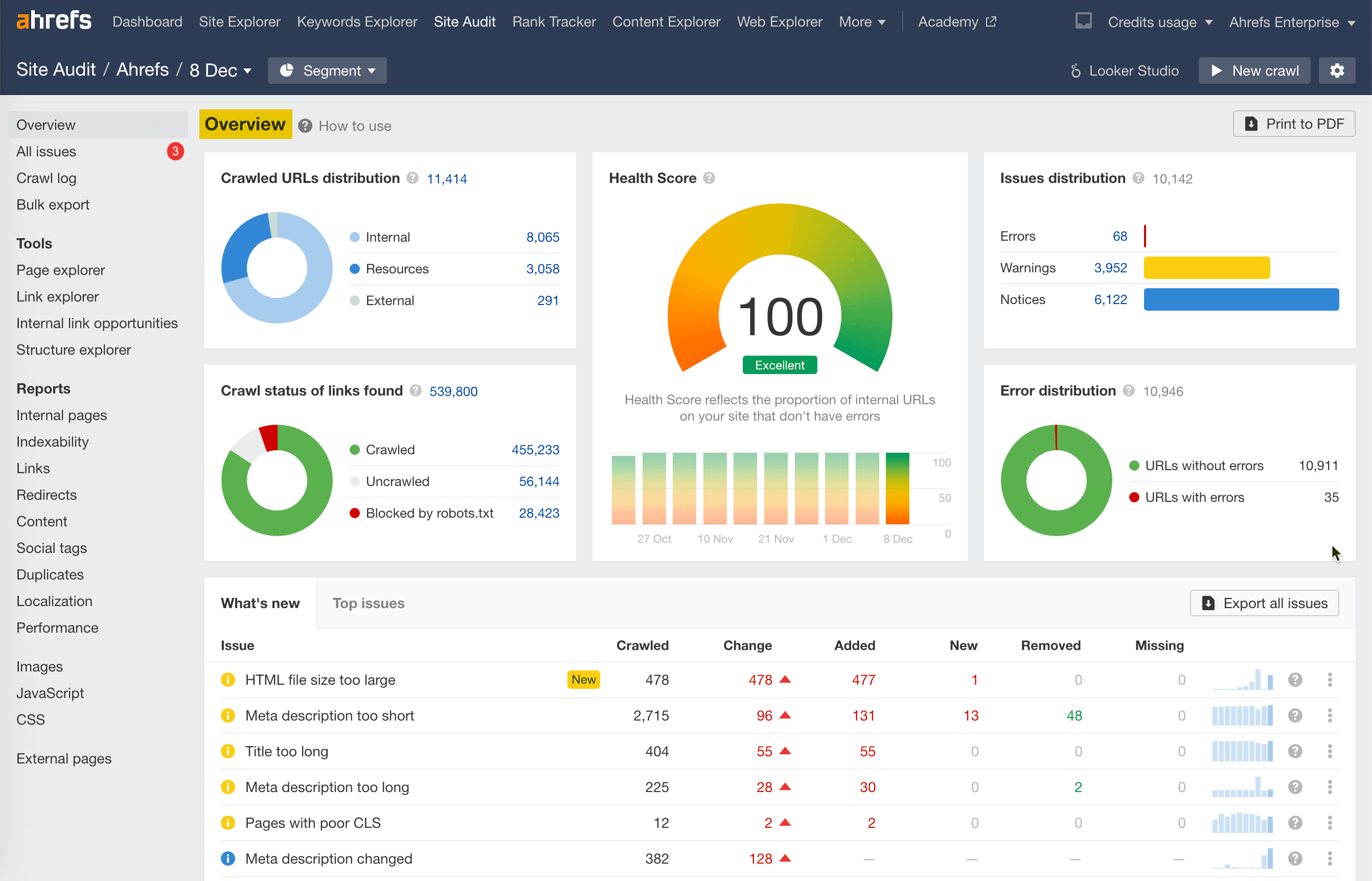
Ahrefs' Site Audit is fast, clean, and shows an always-on health score as you make changes. It covers 120+ issues and does the job well. It's less granular than Semrush and doesn't have the AI Search Health scoring, but for a focused SEO team that doesn't need agency reporting, it's completely solid.
Moz covers the basics for small sites. If you're managing one or two sites and just need to catch obvious technical errors, it works. Beyond that, you'll hit its limits.
Verdict: Semrush for agencies and anyone managing large or multiple sites. Ahrefs for individuals and small teams. Moz only for single-site basics.
Which SEO Tool Tracks AI Visibility in 2026? (The Missing Angle Everyone Skips)
This is the section nobody puts in their comparison. It's also the most important one for 2025 and beyond.
Search is fragmenting across AI platforms. ChatGPT processes 2 billion queries daily, and Gartner predicts 25% of organic traffic will shift to AI chatbots by end of 2026. Zero-click searches already account for 58.5% of all US Google queries.
Here's how the three tools handle it:
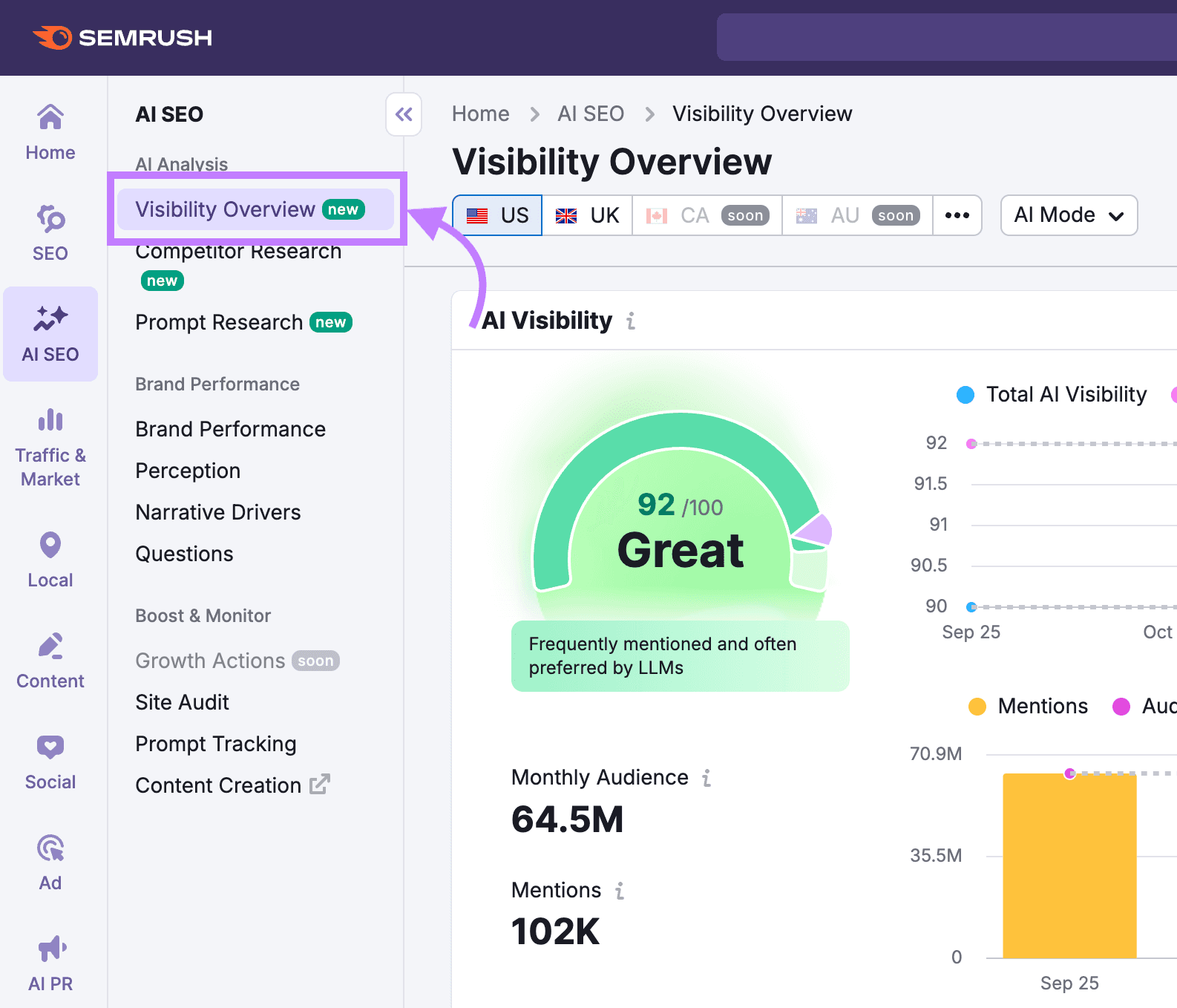
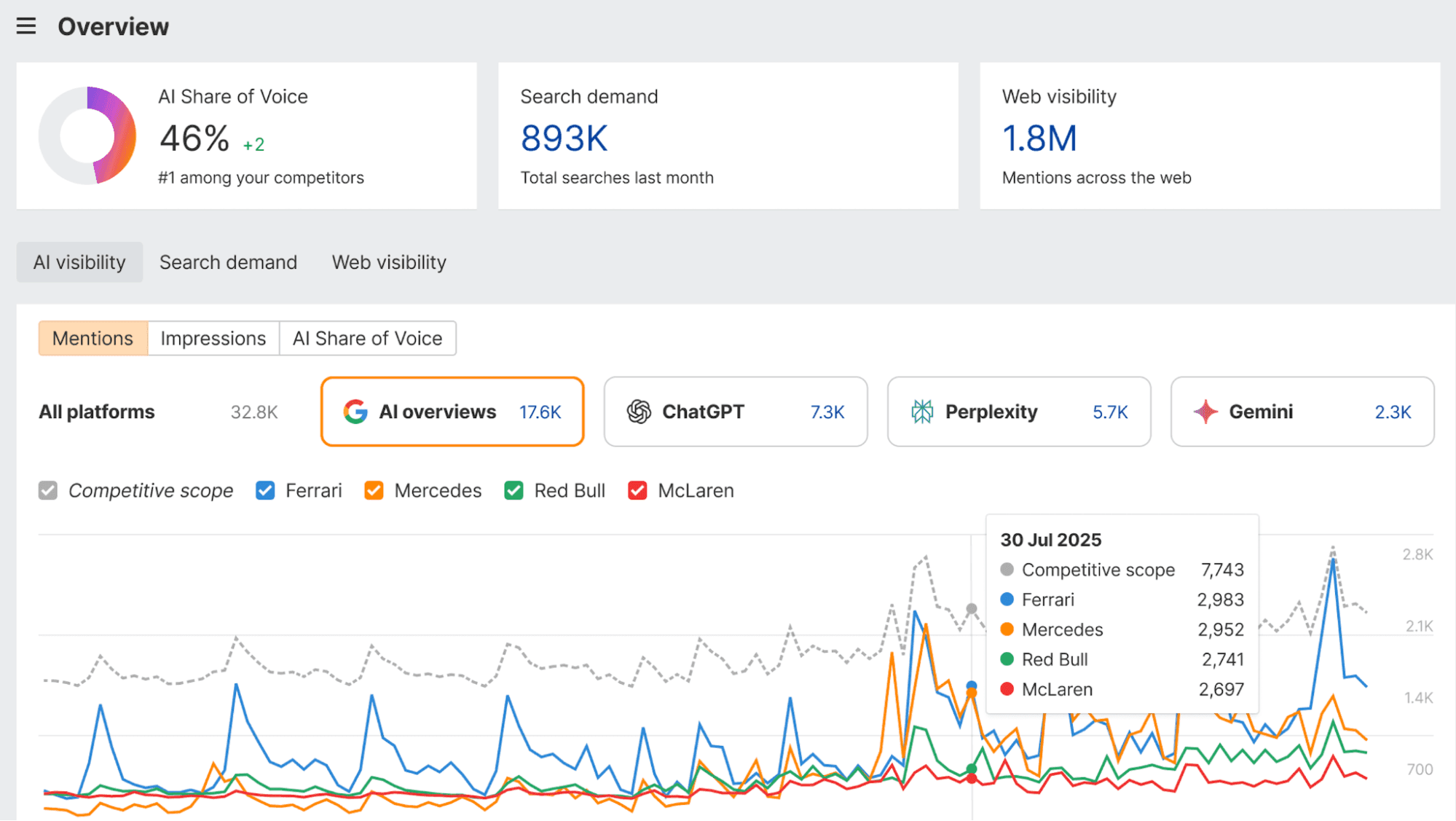
Semrush is the clear leader. Their AI Visibility Toolkit (part of Semrush One) tracks brand mentions and visibility across ChatGPT, Google AI Overviews, AI Mode, Perplexity, and Gemini.
The Prompt Tracking feature lets you monitor how your brand appears in response to specific queries across these platforms with daily updates. They monitor over 100 million relevant LLM prompts globally, including a US database of 90M+ prompts and a ChatGPT database of 29M+ prompts. It's the most actionable AI visibility tracking currently available at this scale.
Ahrefs has Brand Radar, their LLM visibility tracking add-on. It tracks share-of-voice in AI platforms and monitors brand mentions. It's less granular than Semrush's prompt-level tracking and the full feature requires additional cost on top of your base plan. Better than nothing, but not at Semrush's level for AI visibility specifically.
Moz has no meaningful AI visibility tracking. If this matters to your business, Moz is simply not the right tool.
For a deeper dive on optimising for AI platforms, see our complete guide to generative engine optimisation.
Which SEO Tool Has Better Content Tools?
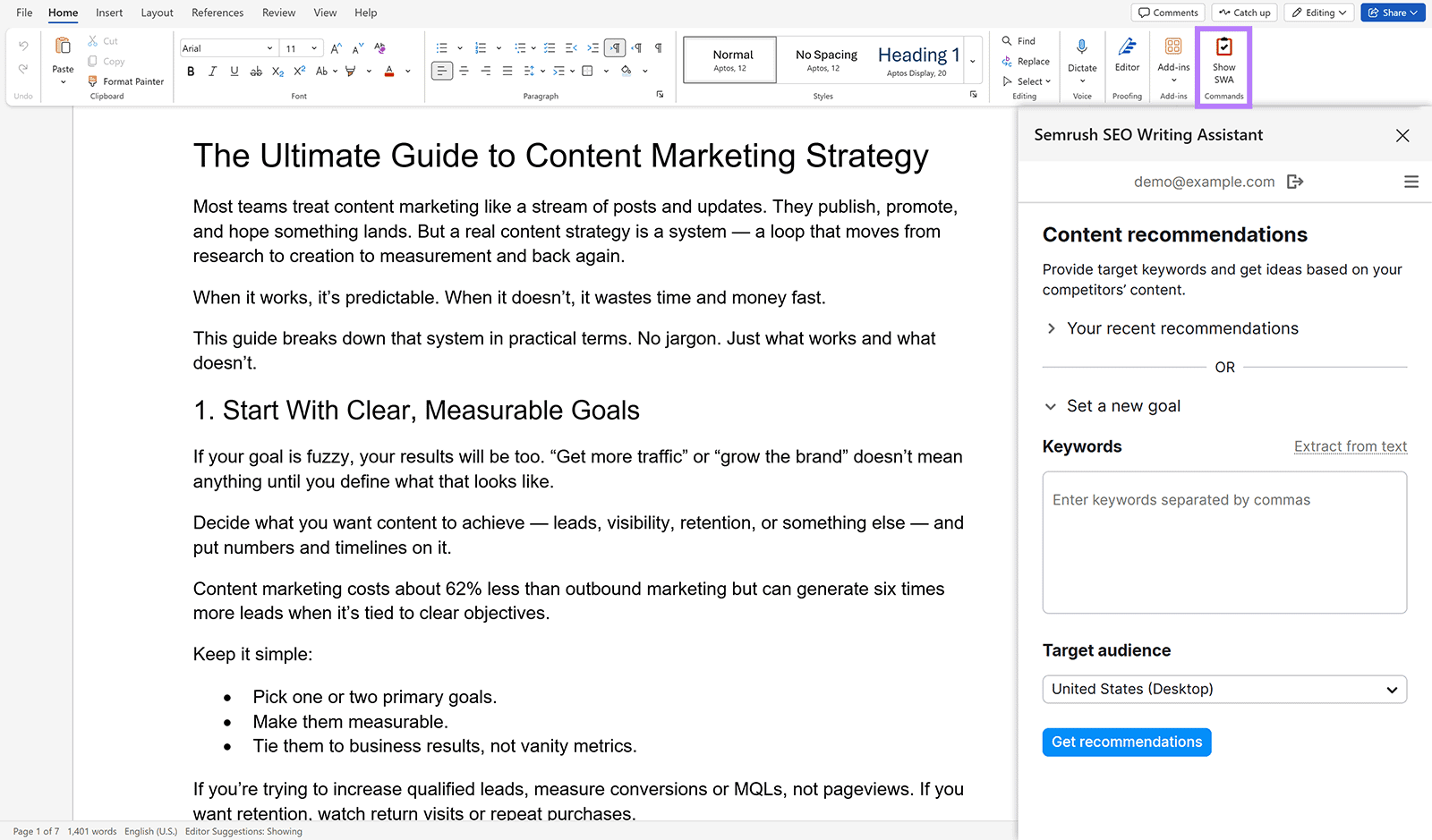
Semrush built for content at volume. The SEO Writing Assistant gives you real-time optimization feedback as you write. Topic Research identifies content gaps. Content Audit tracks performance across existing pages. If you're running a content operation at any real scale, Semrush has the workflow tools to support it.
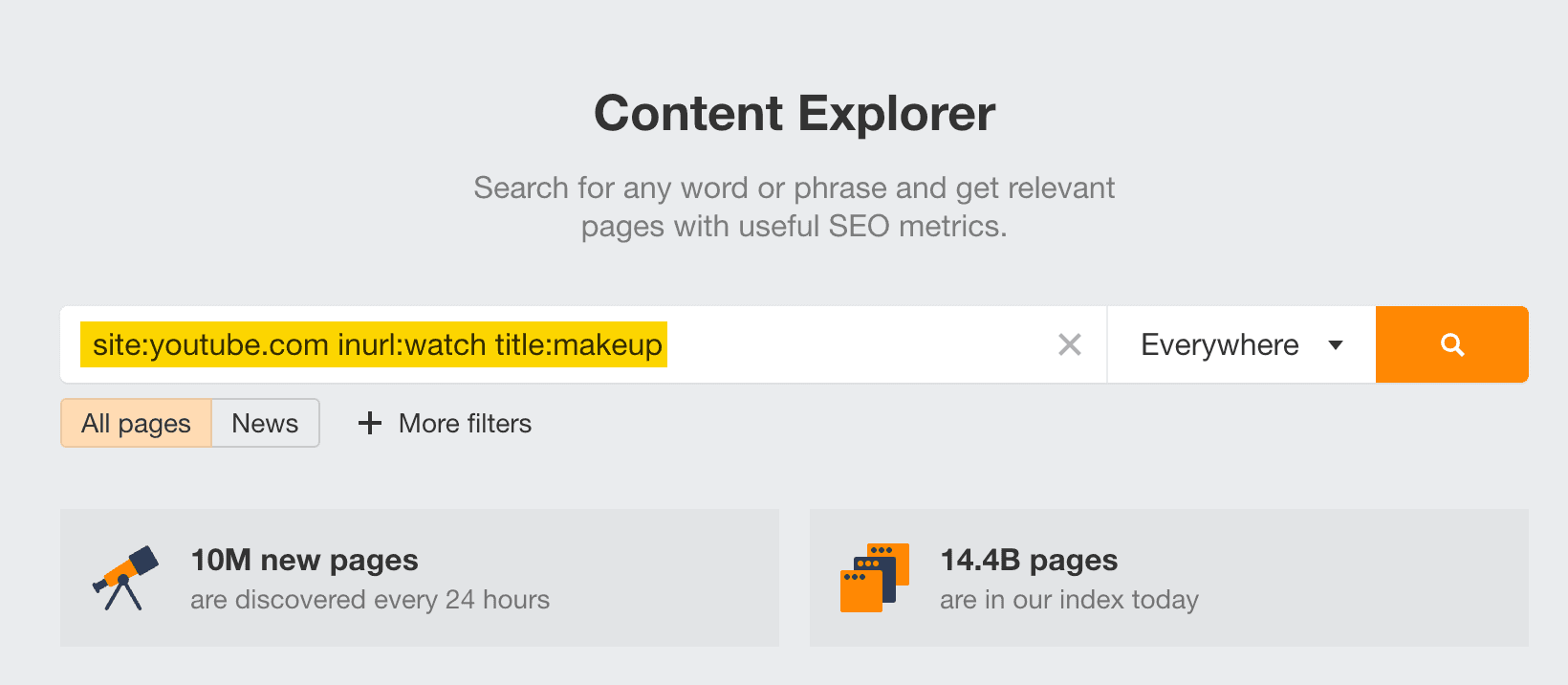
Ahrefs excels at content research and ideation. Content Explorer lets you find the most linked-to and most shared content on any topic. The AI Content Helper helps improve content you've already written. It's a research and analysis tool, not a workflow tool.
Moz has on-page optimization suggestions. That's about it on the content side.
Which SEO Tool Has the Best Data Accuracy?
This is where the honest answer gets uncomfortable for Ahrefs fans.
Traffic estimates from all three tools are approximations—not a single one of them pulls from your actual analytics data. But there's a difference between "roughly correct" and "significantly off."
Independent testing by SelfMadeMillennials found Ahrefs estimating 51,000 monthly visits for a site where real GSC data showed dramatically lower numbers—in one documented case, roughly a 9x overestimate compared to actual data. Ahrefs' own documentation acknowledges this, noting that traffic estimates should be treated as approximations due to gaps in keyword coverage and search volume modeling.
Semrush trends closer to actual analytics in most cases, though gaps exist there too. Moz's estimates have a similar range of variance.
The practical takeaway: use all three tools for directional trends and competitive benchmarking, not absolute forecasts. Never make headcount or budget decisions based on third-party traffic estimates without cross-referencing against your own GSC data.
Semrush vs Ahrefs vs Moz: Ease of Use Comparison
Data quality means nothing if you can't find what you're looking for. Here's how the three actually feel to use day to day, based on onboarding time and recurring complaints across G2, Trustpilot, and SEO community forums.
Moz is the easiest to learn. The interface hasn't changed much in years (a complaint in one context, an advantage in this one) which means most new users are productive within their first session. If you're new to SEO tools entirely, Moz has the shortest path from signup to first useful report.
Ahrefs is clean but has a data-depth learning curve. The interface itself is minimal and fast. What takes time isn't navigation, it's learning which report answers which question, since Ahrefs spreads related data across Site Explorer, Keywords Explorer, and Content Explorer rather than one unified dashboard. Add the credit system, and new users often burn credits inefficiently in their first few weeks before they learn what to check and what to skip.
Semrush has the steepest onboarding curve. With 55+ tools across SEO, PPC, content, social, and AI visibility, new users consistently report feeling lost in their first hour. It rewards the investment once you know which of the 55 tools you actually need, but that's a real cost if you're evaluating on a trial deadline.
The practical takeaway: if ease of use is your top priority and you're newer to SEO tooling, Moz wins clearly. If you're comfortable with a learning curve in exchange for deeper data, both Ahrefs and Semrush justify the ramp-up, just for different reasons — Ahrefs for backlink precision, Semrush for breadth.
Semrush vs Ahrefs vs Moz Pricing: What You'll Actually Pay (Not Just the Starting Price)
Base Pricing
Tool | Entry Plan | Price |
|---|---|---|
Semrush | Pro | $140/mo ($117/mo billed annually) |
Ahrefs | Lite | $129/mo ($108/mo billed annually) |
Moz | Starter | $49/mo ($39/mo billed annually) |
The Semrush Pricing Reality
Post-acquisition, Semrush has already introduced a Semrush Starter plan at $199/month that bundles basic SEO and GEO features. Adobe’s track record with enterprise pricing — AEM, Adobe Analytics, Marketo — suggests pricing will trend upward over the next 12–24 months. If you’re currently on Semrush, consider locking in annual billing at current rates. If you’re deciding between tools now, factor in potential pricing instability as a real consideration.
The Pro plan is fine for small teams, but many agencies find themselves pushed to Guru ($250/mo) for content marketing tools, historical data, and PDF reports. Large agencies often land at Business ($400+) or the new Semrush Starter and Pro+ plans once AI visibility tracking is included. API costs are additional. For what you get across SEO, content, and now AI visibility, it's competitive pricing—but go in knowing the starting price isn't where many teams land.
The Ahrefs Pricing Reality - The Big One
This is the section that will actually help you make a decision.
In April 2024, Ahrefs introduced price increases of 30–39% across their plans and rolled out a credit system. Under the credit system, every report, filter, and export costs credits. Power users reported burning through 500+ credits in a few days of normal usage.
From BlackHatWorld:
"950 credits in 3 hours of normal use." "It's like you have to limit yourself, check credits every hour. Worst user experience ever."
From Trustpilot:
"Credit system is a total scam, worst subscription type ever."
Ahrefs temporarily made the system unlimited in June 2024 after user backlash, but the controversy around their pricing model hasn't gone away.
Then in October 2024, Ahrefs cancelled legacy plans. Users who had been paying $2,500/year for grandfathered plans were quoted $17,500/year to renew under new pricing—a jump documented by Wisp.blog and confirmed across multiple forums.
The result: Ahrefs sits at 2.0/5 on Trustpilot from 306 reviews. On G2, where the audience is more professional and less emotionally reactive to billing surprises, it's 4.5/5. The gap tells you everything: the product is excellent. The pricing experience has been genuinely bad for a subset of users.
Free tier: Ahrefs Webmaster Tools (limited, but real backlink and keyword data for sites you own).
The Moz Pricing Reality — The Underrated One
Moz Starter at $49/month ($39 annually) is genuinely good value for the right user. The plan covers 3 campaigns, 300 keyword rankings, and core backlink analysis. The Moz Pro Medium plan at $99/month is one of the better deals in the market for managing up to 5 sites with solid keyword tracking and MozBar access.
Moz offers a 30-day free trial—the most generous free trial of the three. Semrush offers 7–14 days. Ahrefs only offers free access via Webmaster Tools for your own sites.
What Real SEOs Say About Semrush, Ahrefs, and Moz (Not the Review Summaries — The Actual Complaints)
What Semrush users love and hate
Love: The Keyword Magic Tool's depth and filtering, actionable Site Audit reports, AI visibility tracking, one dashboard for SEO and PPC.
Hate: Traffic estimates that don't always match GA4 or GSC numbers ("way off" is a recurring complaint in reviews), the upsell to higher plans when you hit limits, and a billing/cancellation experience that has driven a lot of negative Trustpilot reviews—Semrush's own Trustpilot score is 2.1/5, with the negative reviews concentrated on billing, not product.
The pattern is interesting: both Semrush and Ahrefs have high G2 ratings and low Trustpilot ratings. G2 captures professional users making deliberate purchasing decisions. Trustpilot captures emotional responses, often billing surprises. Take both with appropriate context.
What Ahrefs users love and hate
Love: Best-in-class backlink data, the Traffic Potential metric in Keywords Explorer, clean and fast interface, Content Explorer for research.
Hate: The credit system, the transition to credit-based Starter and Lite plans, plus higher usage costs for heavy research, traffic estimates that can be significantly higher than actual GSC data, and—in one memorable thread—an Ahrefs CMO reportedly deleting critical comments in their community rather than responding to them. These are not minor grievances.
From BlackHatWorld:
"$399/month for 500 credits. You burn through them in days if you actually use the tool."
What Moz users love and hate
Love: Simple, clean interface, MozBar Chrome extension, Domain Authority as a universally understood metric, beginner-friendly onboarding, and pricing that actually makes sense for small sites.
Hate: "The site looks the same as it did five years ago." This is the consistent complaint—Moz is stagnating. The backlink index is smaller and slower. Moz now includes AI/GEO features, but its prompt and reporting limits are smaller than the larger vendor bundles. If you grow beyond your current needs, you'll outgrow Moz.
What SEO Communities and Forums Actually Say
Beyond review sites, the recurring themes across SEO-focused communities (r/SEO, r/bigseo, BlackHatWorld, and the Moz Community forums) are consistent with the G2/Trustpilot split covered above, with a few community-specific patterns worth knowing:
On backlink accuracy specifically, community consensus is close to unanimous: Ahrefs is trusted first, Semrush second, Moz a distant third for anyone doing serious link analysis. This holds even among users who are otherwise frustrated with Ahrefs' pricing — the data quality and the pricing complaints are treated as separate issues, not weighed against each other.
On "which one should I actually buy," the most common community answer isn't a single tool. Recurring advice across these forums is to start with whichever tool matches your primary bottleneck (backlinks → Ahrefs, breadth and PPC → Semrush, budget and simplicity → Moz) rather than trying to find one universal winner, which mirrors the framework this guide uses throughout.
On switching costs, a recurring community thread is regret over switching too early — users who moved off Ahrefs for pricing reasons and then rebuilt workflows around Semrush's different data structure, only to find the tradeoffs weren't worth the migration effort. If you're mid-decision, this is worth weighing: the "wrong" tool you already know how to use sometimes beats the "right" tool you have to relearn.
Take community sentiment as a directional signal, not a substitute for testing the tools against your own workflow — forum consensus skews toward vocal power users, not the median subscriber.
Semrush vs Ahrefs vs Moz: Data Accuracy Comparison? Still Not Sure? Use This to Decide Between Semrush, Ahrefs, and Moz
Choose Semrush if:
You need SEO and PPC intelligence in one place
You need white-label reporting for clients
AI visibility in ChatGPT and Perplexity matters to your strategy
You're running technical audits on large or multiple sites
You're willing to pay for breadth and will actually use it
Choose Ahrefs if:
Link building is your primary SEO activity
You want the cleanest, most precise backlink data
You manage multiple verified domains
You want focused SEO data without extra marketing tools
You're not a power user who will burn credits quickly
Choose Moz if:
You manage 1–2 sites
Your budget is under $100/month
You don't need agency features
You're newer to SEO and want a clear, accessible interface
The honest reality: Many high-output SEO teams use both Ahrefs (for backlinks and keyword research) and Semrush (for audits, competitive intelligence, and AI visibility tracking). They're not mutually exclusive, and the redundancy is often worth it at the agency level.
If you’re evaluating Semrush specifically, also check our 12 best Semrush alternatives for a broader comparison.
When Should You Switch From Ahrefs to Semrush (or Vice Versa)?
Consider switching away from Ahrefs if:
Your monthly credit bill is becoming unpredictable
You need PPC data (Ahrefs has none)
You were pushed off a legacy plan and the new pricing doesn't make sense for your usage
AI visibility tracking is increasingly important and you don't want to pay the Brand Radar add-on cost
Consider switching away from Semrush if:
You only do organic SEO and are paying for tools you never touch
Link building is your primary workflow and you want the best possible backlink data
You prefer a faster, cleaner interface and don't need the marketing platform breadth
Consider switching away from Moz if:
Your site has grown past 2–3 active campaigns
You're starting to take link building seriously
Clients are asking questions you can't answer with Moz's reporting
The Execution Gap All Three Tools Share
Here’s the honest gap that no comparison article addresses: Semrush, Ahrefs, and Moz are exceptional at showing you what to do. None of them are built to actually do it. They surface keyword gaps, show backlink opportunities, and estimate traffic. Then the workflow leaves the platform and becomes manual — you export keywords, build a spreadsheet, brief a writer, optimise in another tool, publish in your CMS, submit for indexing, and wait.
In 2026, that execution layer also needs to handle AI visibility: is your content being cited in ChatGPT, Perplexity, and Google AI Overviews? Semrush’s AI Toolkit tracks this. Ahrefs’ Brand Radar covers some of it. But neither connects insight to automated execution. If your bottleneck is data, these three tools are the answer. If your bottleneck is shipping content from keyword to indexed article, Keytomic’s end-to-end workflow automation addresses that gap at $99/month - not as a replacement for Semrush/Ahrefs/Moz, but as the execution layer that sits on top of whichever research tool you choose.
For teams comparing the execution layer, Keytomic connects AI keyword research, semantic SEO automation, topical maps, AI blog writing, autoblog publishing, multi-search-engine indexing, and AI visibility tracking. Its AI SEO software is designed to reduce the handoffs between insight and published output.
Value for Money: Keytomic vs a Traditional SEO Stack
If you replicate Keytomic’s execution layer manually, here is what the stack often looks like:
Feature | Typical Tool(s) | Typical Cost | Included in Keytomic |
|---|---|---|---|
Keyword research | Ahrefs or Semrush | $129 to $140 per month | Yes |
Content optimization | Surfer SEO | $99 per month | Yes |
AI visibility tracking | Semrush AI Toolkit | Enterprise tier | Yes |
CMS publishing automation | Separate plugins or manual | Variable | Yes |
Indexing submission | Manual via GSC | Time cost | Yes |
Technical audit | Semrush or Screaming Frog | $140 plus | Yes |
Analytics consolidation | GSC plus GA4 plus manual reporting | Time cost | Yes |
Backlink workflow | Outreach tools | Variable | Yes |
Reddit brand monitoring | Manual | Time cost | Yes |
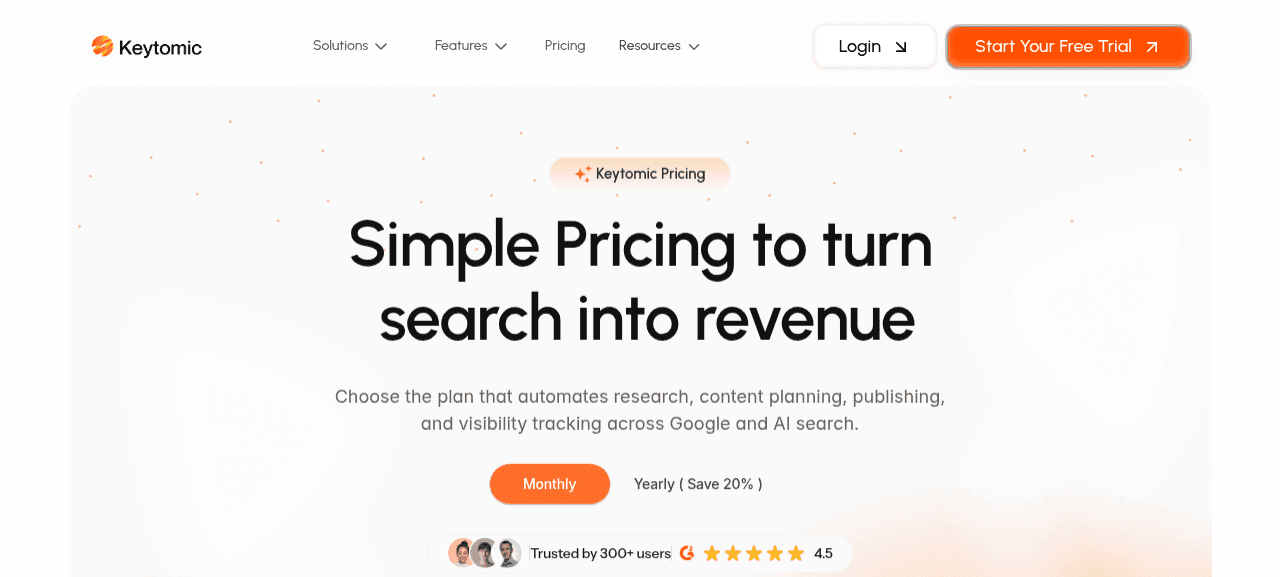
Keytomic Pro plan: $99 per month.
You can also compare Keytomic’s technical SEO audit, backlink profile audit, AI image generation, CMS integrations, and pricing before choosing the right workflow.
It does not replace PPC intelligence. It does not replace advanced backlink prospecting research. But for teams focused on organic growth and AI visibility, it consolidates what would otherwise require multiple subscriptions and a heavy manual layer.
Right for You If
You are a lean team publishing 10 to 30 plus articles per month
You want visibility in both Google and AI search platforms
You already pay for Ahrefs or Semrush but struggle to turn data into published output
You want fewer tools and more execution
Not the Right Fit If
Your primary workflow is deep backlink prospecting and outreach at scale
PPC intelligence is a core part of your strategy
You publish fewer than 4 to 5 articles per month and do not need automation
Semrush, Ahrefs, and Moz are exceptional at analysis.
Keytomic focuses on execution.
If your biggest constraint is insight, stay with the traditional stack.
If your biggest constraint is shipping, automation becomes the real leverage.
Semrush vs Ahrefs vs Moz: The Final Verdict (No Hedging)
Semrush is the best all-in-one platform for agencies, in-house marketing teams, and anyone who needs SEO, PPC, and AI visibility tracking under one subscription. It's the only real answer if ChatGPT and Perplexity visibility is part of your KPIs. You're paying for breadth—that breadth is worth it when you're actually using it.
Ahrefs is the best tool for SEO specialists and link builders who want the most accurate, freshest backlink data and a clean interface that doesn't get in the way. The 2024 pricing changes and credit system are real concerns for power users. But for backlink analysis and organic keyword research? Nothing comes close. Just go in knowing the credit system exists and test how quickly you burn through them before committing.
Moz is more useful than its reputation suggests—for the right profile. If you're a solo founder or small business managing 1–2 sites on a budget, Moz gives you everything you actually need at half the price of the alternatives. The stagnation is real, but it only matters if you need features Moz doesn't have.
Semrush vs Ahrefs vs Moz: Your Questions Answered
Is Semrush better than Ahrefs?
It depends on what you're doing. Semrush is better for agencies and teams who need PPC data, content tools, white-label reporting, and AI visibility tracking. Ahrefs is better for SEO specialists focused on backlink analysis and organic keyword research. Neither is universally "better"—they're better at different things.
Is Ahrefs worth it in 2026?
Yes—if you're a serious SEO practitioner who does a lot of backlink analysis and organic keyword research. No—if you're a power user who will burn through credits, were pushed off a legacy plan, or need AI visibility tracking without paying extra for Brand Radar.
Is Moz still relevant in 2026?
Yes, for a specific user profile. If you're managing 1–2 sites on a budget, Moz is still solid. Domain Authority remains the industry's most commonly referenced backlink metric. For serious link building, AI visibility, or large-scale operations, Moz is behind.
What is the most accurate SEO tool for traffic estimates?
None of them are reliably accurate—they're all approximations. That said, Semrush tends to track closer to GSC data in most independent tests, while Ahrefs has documented cases of significant overestimation. Use any tool's traffic estimates for directional trends and competitive benchmarking, not for absolute numbers.
Can I use Semrush or Ahrefs for free?
Semrush has a free plan with limited functionality and offers a 7–14 day Pro trial. Ahrefs does not have a general free trial but offers Ahrefs Webmaster Tools free for your own sites (limited backlink and keyword data). Moz offers a 30-day free trial—the most generous of the three.
Is Moz DA still important?
Domain Authority is still the most widely used backlink metric in the industry for quick-reference comparisons, link prospecting, and client communication—largely because it's been around the longest and everyone has a sense of what a DA 40 site versus a DA 80 site means. It's not perfect, but it's useful as a directional indicator.
What's the best SEO tool for a beginner?
Moz, for the accessible interface and $49/month starting price. If you need more depth but want to start cheap, Semrush's free tier and trial is a good place to learn the platform before committing. Ahrefs has a steeper learning curve and no real free trial for beginners.
What is the best SEO tool for agencies?
Semrush, particularly if you need white-label reporting, multi-client project management, AI visibility tracking, and both SEO and PPC data. Semrush Pro+ or Advanced is where most agencies end up.
Is the Ahrefs credit system worth it?
For light-to-moderate users who check rankings and run occasional keyword research, the credit system is manageable. For power users who run large crawls, export frequently, or do heavy research sessions, it can become expensive and frustrating. Check your typical usage patterns against Ahrefs' credit cost table before committing.
Which is better for local SEO: Semrush, Ahrefs, or Moz?
Semrush has the most built-out local SEO toolkit, including Listing Management, Google Maps rank tracking, and local pack monitoring. Moz also has solid local features. Ahrefs is weakest on local specifically. For agencies managing local SEO clients at scale, Semrush is the clear winner.
Do Semrush, Ahrefs, or Moz help you rank in ChatGPT or Perplexity?
Semrush and Ahrefs both offer dedicated AI visibility products, while Moz now includes AI/GEO features on current Pro plans. Compare tracked prompts, engines, update cadence, and whether AI visibility is bundled or sold as an add-on. For actual execution on AI search optimization, see what Keytomic does differently.
Is there a better alternative to Semrush, Ahrefs, and Moz?
For data and competitive intelligence, these three remain the gold standard. The gap they share is execution: they tell you what to do, but none of them do it for you. If your problem is acting on SEO data - not gathering it - Keytomic closes that gap with end-to-end content automation from keyword to published and indexed.
Is there a Reddit consensus on Semrush vs Ahrefs vs Moz?
Yes, and it's fairly consistent: Ahrefs is the community favorite for backlink accuracy, Semrush for all-in-one breadth including PPC, and Moz for beginners on a budget. Forum threads rarely land on a single "best" tool — the more common advice is to match the tool to your primary bottleneck rather than look for a universal winner.
Which is easier to use: Semrush, Ahrefs, or Moz?
Moz has the shortest learning curve by a clear margin. Ahrefs is clean and fast but takes time to learn which report to check for which question. Semrush has the steepest onboarding curve simply because of how many tools (55+) are packed into one platform.