Table of Contents
Share Article
Analyzing SEO Performance Trends: What You Need To Know In 2026
Analyzing SEO Performance Trends: What You Need To Know In 2026
Analyzing SEO Performance Trends: What You Need To Know In 2026

Discover how AI search, GEO optimization, and content automation are reshaping SEO in 2026. Real case studies show 250% ROI increases and 40% visibility gains.
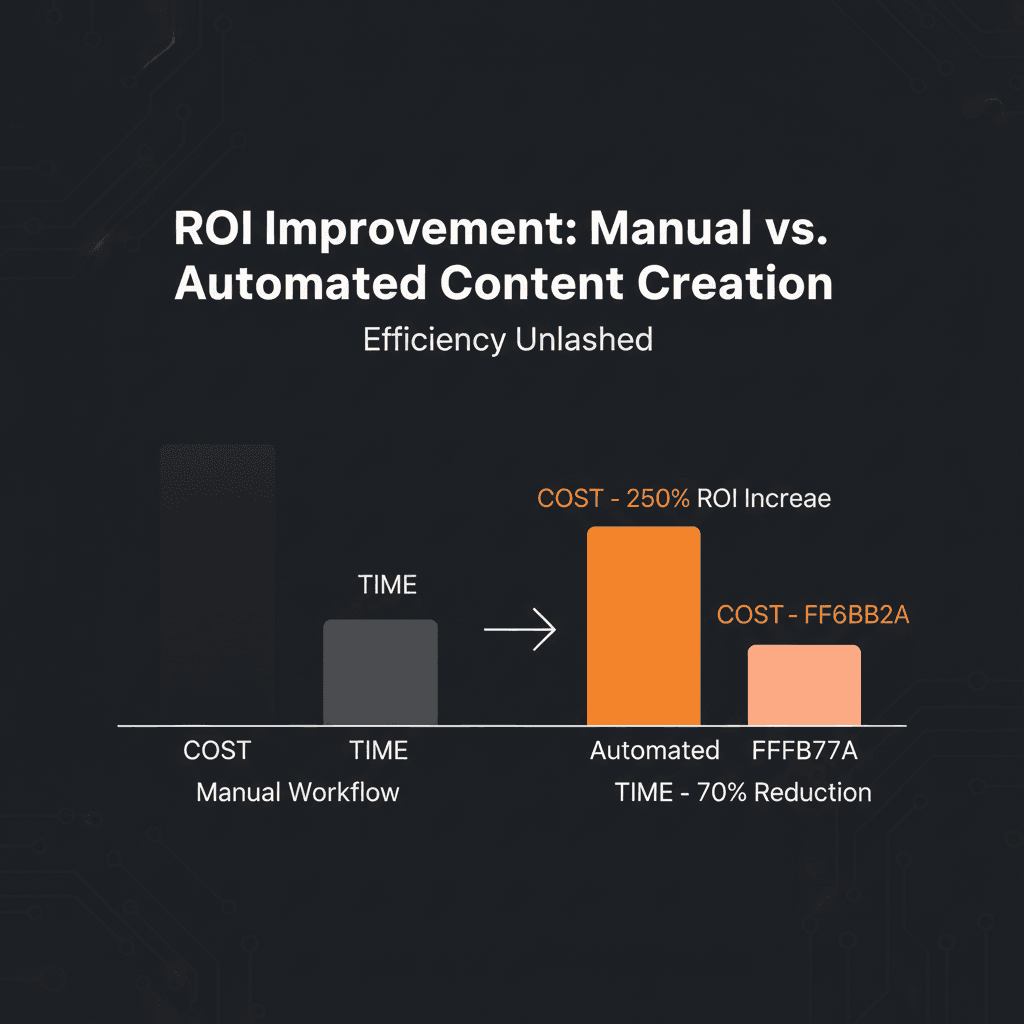
SEO performance trends in 2026 reveal a fundamental shift: brands using AI search optimization and content automation are achieving 40% visibility increases in generative engine responses, 250% ROI improvements, and 70% reductions in content production time.
Research from Princeton University, McKinsey, and industry leaders shows that traditional SEO alone no longer captures the full search landscape as 37% of consumers now start searches with AI tools instead of Google.
This isn't about replacing SEO. It's about evolving it.
When Keytomic analyzed performance data from 2025, three trends dominated: AI-powered search engines like ChatGPT and Perplexity capturing 527% more referral traffic, Generative Engine Optimization (GEO) delivering measurable visibility gains, and content automation platforms enabling 30+ article-per-month production without quality loss.
This guide examines verified case studies, performance metrics, and strategic frameworks reshaping organic growth in 2026.
AI Search Optimization: The New Performance Baseline
Zero-Click Search Dominates User Behavior
Google searches ending without a click reached 68% in 2025, up from previous years. AI Overviews now appear in 18% of global searches, while 37% of consumers initiate searches directly in ChatGPT, Perplexity, or Gemini rather than traditional search engines.
This creates a visibility paradox: your content can rank well in Google but remain invisible if it's not structured for AI citation. When McKinsey surveyed consumers in August 2025, 44% said AI-powered search was their primary and preferred source of insight, topping traditional search at 31%.
AI Overviews Expanded Then Stabilized
Semrush's analysis of 10+ million keywords from January to November 2025 revealed that Google rapidly expanded AI Overviews, then pulled back:
January 2025: Nearly 100% informational queries
November 2025: Navigational queries grew from under 1% to over 10%
Commercial queries: Ads alongside AI Overviews rose from 3% to 40%
The science vertical saw the highest AI Overview saturation at 26%, followed by computers & electronics at 18%. Food & drink experienced the fastest growth since March 2025.
AI Visibility Now Requires Dedicated Optimization
BrightEdge data from January through August 2025 showed AI search experiencing double-digit month-over-month growth rates. Yet while growing fast, AI search still accounts for less than 1% of total referral traffic, with organic search remaining the primary conversion driver.
Here's what that means: optimize once using comprehensive SEO best practices, and your content becomes discoverable across traditional search, AI overviews, ChatGPT, Perplexity, and emerging platforms. All major AI engines rely on traditional search indexes as their foundation.
Generative Engine Optimization Results: 40% Visibility Increases
The GEO Research That Changed Everything
Researchers from Princeton University, IIT Delhi, Georgia Tech, and the Allen Institute for AI introduced Generative Engine Optimization (GEO) in 2023, then validated it through rigorous 2024-2025 testing.
Their findings were clear: GEO methods can boost content visibility in generative engine responses by up to 40% when measured by Position-Adjusted Word Count and Subjective Impression metrics.
What Actually Works in GEO
The Princeton research tested multiple GEO strategies across diverse query types and domains. Three methods delivered consistent results:
Citation Addition: Content that cites credible sources gets cited significantly more by AI engines. The mechanism is straightforward: AI platforms prioritize content demonstrating research rigor and factual grounding. Adding authoritative citations improved visibility by 15-30%.
Statistics Integration: Domains like law & government and opinion-based queries benefit significantly when content includes relevant statistics. Data-driven evidence enhanced visibility by 22-37% depending on the domain.
Fluency Optimization: Improving readability and content structure resulted in 15-30% visibility boosts. Generative engines value not only content but how clearly that content communicates.
Domain-Specific Performance Variations
The efficacy of GEO strategies varies significantly across verticals. For example:
People & Society, History: Quotation addition proved most effective
Law & Government: Statistics addition delivered maximum impact
Technical domains: Fluency optimization combined with citation addition produced best results
This underscores the need for domain-specific optimization rather than one-size-fits-all approaches.
Real-World GEO Implementation
By mid-2025, GEO had been incorporated into enterprise analytics platforms. Companies like Semrush and specialized tools like Profound, Goodie, and Daydream enable brands to:
Track how they appear in AI-generated responses
Monitor sentiment across model outputs
Understand which publishers shape model behavior
Measure reference rates (how often content is cited)
Ahrefs' Brand Radar now tracks brand mentions in AI Overviews, helping companies understand how they're framed by generative engines.
Content Automation Case Studies: 250% ROI and 70% Time Savings
TechVision Solutions: Daily LinkedIn Posts at 70% Reduced Effort
TechVision, a mid-sized software development company, faced major LinkedIn content challenges: inconsistent posting, time-intensive manual creation, and difficulty maintaining brand voice at scale.
After implementing AI-powered content automation:
Content production time: Reduced from 8+ hours to 90 minutes per week
Posting frequency: Shifted to daily consistency
Lead quality: Improved measurably
Conversion rates: Increased through better-targeted content
The implementation involved training AI systems on past successful posts and brand guidelines, then automating scheduling and performance tracking. Within 60 days, TechVision achieved faster content creation and noticeable engagement boosts.
MarketPro Solutions: Automated Blog-to-LinkedIn Conversion
MarketPro previously used manual methods to convert blog articles into LinkedIn posts, leading to inconsistent messaging and publication delays that limited lead generation.
Switching to AI-driven processes brought:
Consistency: Uniform brand voice across all content
Speed: Eliminated publication delays
Engagement: More consistent posting drove better audience connection
Cost efficiency: Reduced content creation costs by up to 50%
The automation ensured more consistent posting while attracting better-quality leads and improving conversion rates.
Netflix and HubSpot: Enterprise-Scale Content Repurposing
Netflix reported a 43% increase in social media engagement after implementing AI-driven content repurposing strategies. HubSpot achieved a 28% boost in lead generation by converting blog posts into podcast episodes using AI tools.
These enterprise examples demonstrate that content automation ROI scales across company sizes when implemented strategically.
Marketing Automation: 30% ROAS Improvement
One marketing company integrated AI-driven campaign optimization and observed:
Return on ad spend: Increased 30%
Customer acquisition costs: Decreased 25%
Customer retention rates: Improved 20%
Budget reallocation: Redirected $200,000 annually from paid advertising to product development
The combination of higher traffic volume and better conversion performance demonstrated clear financial impact in quarterly results.
Programmatic SEO: Scaling to Millions of Keywords
Companies using programmatic SEO achieve remarkable scale:
Zapier: Ranks for over 1.3 million keywords through automated integration pages
Wise: Dominates currency conversion queries with proprietary data pages
Tripadvisor: Controls "things to do in [city]" searches globally
Programmatic SEO works when you have:
Repeatable search query patterns
Unique, valuable data
Templates that genuinely help users
Quality maintained at scale
Monthly organic traffic for successful programmatic implementations often increases from 8,000 to 150,000+ visitors, with conversion rates improving from 0.8% to 2.4%.
How Keytomic Powers These Performance Trends
End-to-End SEO Automation for Modern Search
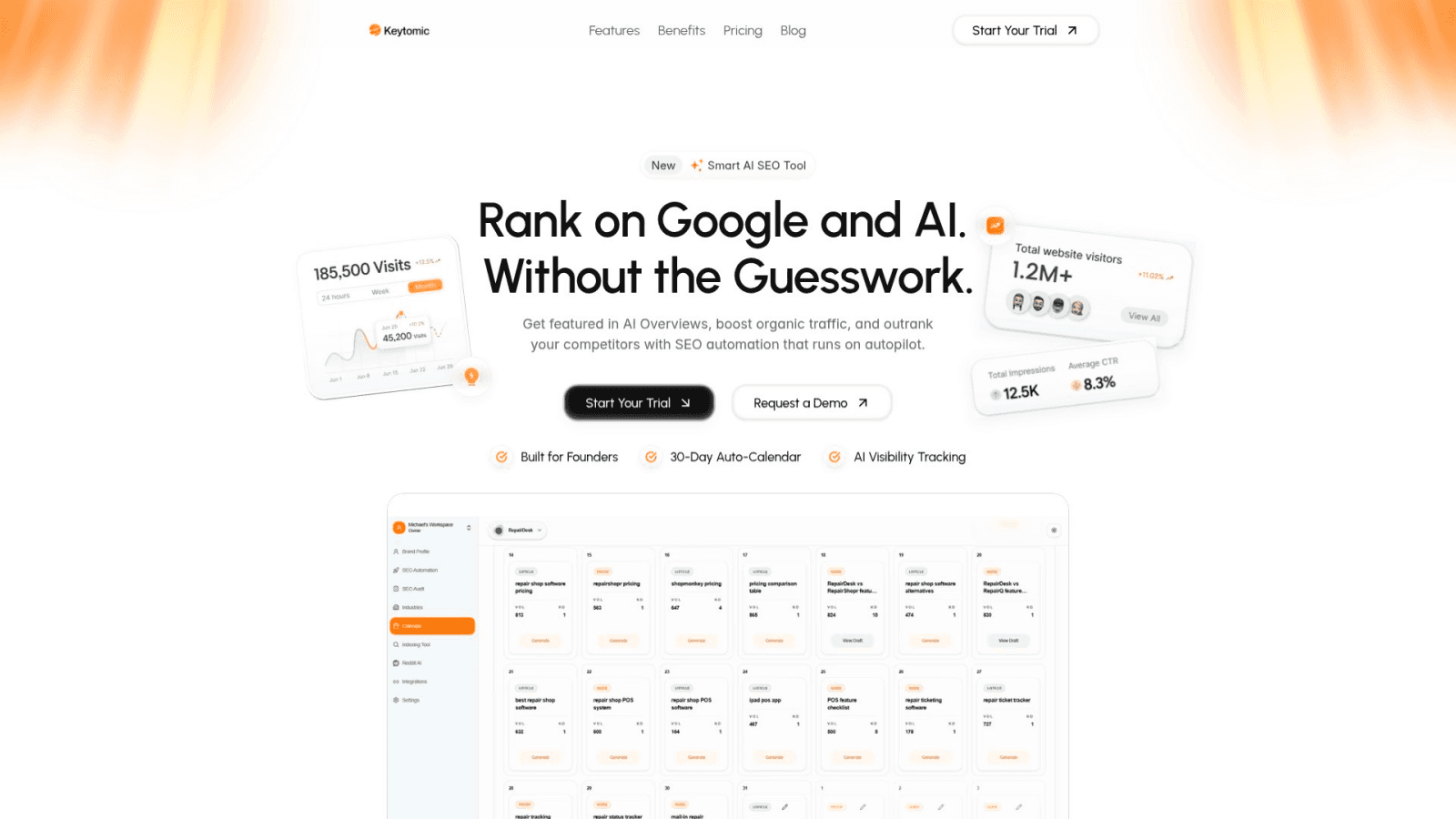
Keytomic addresses the three major SEO performance trends shaping 2026: AI search visibility, content automation efficiency, and multi-platform optimization.
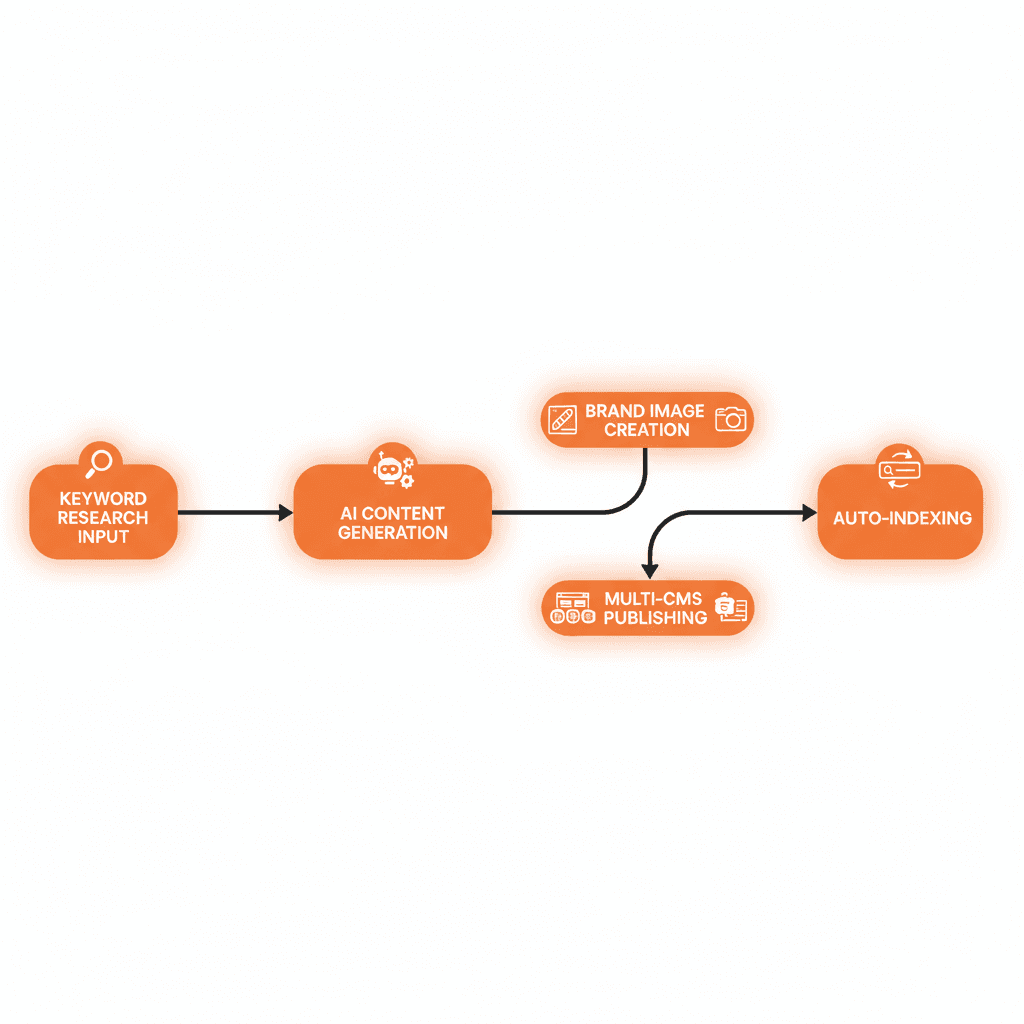
The platform automates your entire organic growth workflow:
Keyword Research Automation: Discover high-value opportunities across traditional and AI search without manual analysis.
E-E-A-T-Optimized Content Generation: Create content that ranks in Google while being structured for AI citation in ChatGPT, Perplexity, and Gemini responses.
Custom Branded Image Creation: Generate on-brand visuals that enhance engagement and E-E-A-T signals.
Multi-CMS Publishing: One-click publishing to WordPress, Shopify, and other platforms.
Auto-Indexing: Ensure content gets crawled and indexed quickly by Google.
The $99/Month Alternative to 5-8 SEO Tools
Busy founders and marketing teams typically juggle separate tools for keyword research ($50-200/month), content optimization ($100-300/month), image creation ($20-50/month), publishing workflows, and performance tracking. That's $300-800+ monthly before you factor in the time cost of switching between platforms.
Keytomic consolidates this workflow for $99/month, enabling 30+ articles monthly while maintaining quality and optimizing for both traditional SEO and AI search visibility.
Real Performance Metrics
Teams using Keytomic report:
Content velocity: 300% increase (from 10 to 30+ articles monthly)
Production time: 70% reduction per article
Tool consolidation: 97% cost reduction by replacing 5-8 separate platforms
AI visibility: Structured content optimized for GEO from creation
Indexing speed: Automated submission reduces time-to-ranking
Why This Matters for 2026
The brands winning in 2026 aren't just doing traditional SEO or just optimizing for AI search. They're doing both, systematically, at scale. When 60% of marketing teams plan to reallocate SEO budgets toward AI search optimization, the competitive advantage goes to platforms that handle this complexity automatically.
Start your free trial and see how Keytomic automates the entire workflow from keyword discovery to indexed, AI-optimized content.
Key SEO Performance Metrics That Matter in 2026
Traditional Metrics Still Foundation
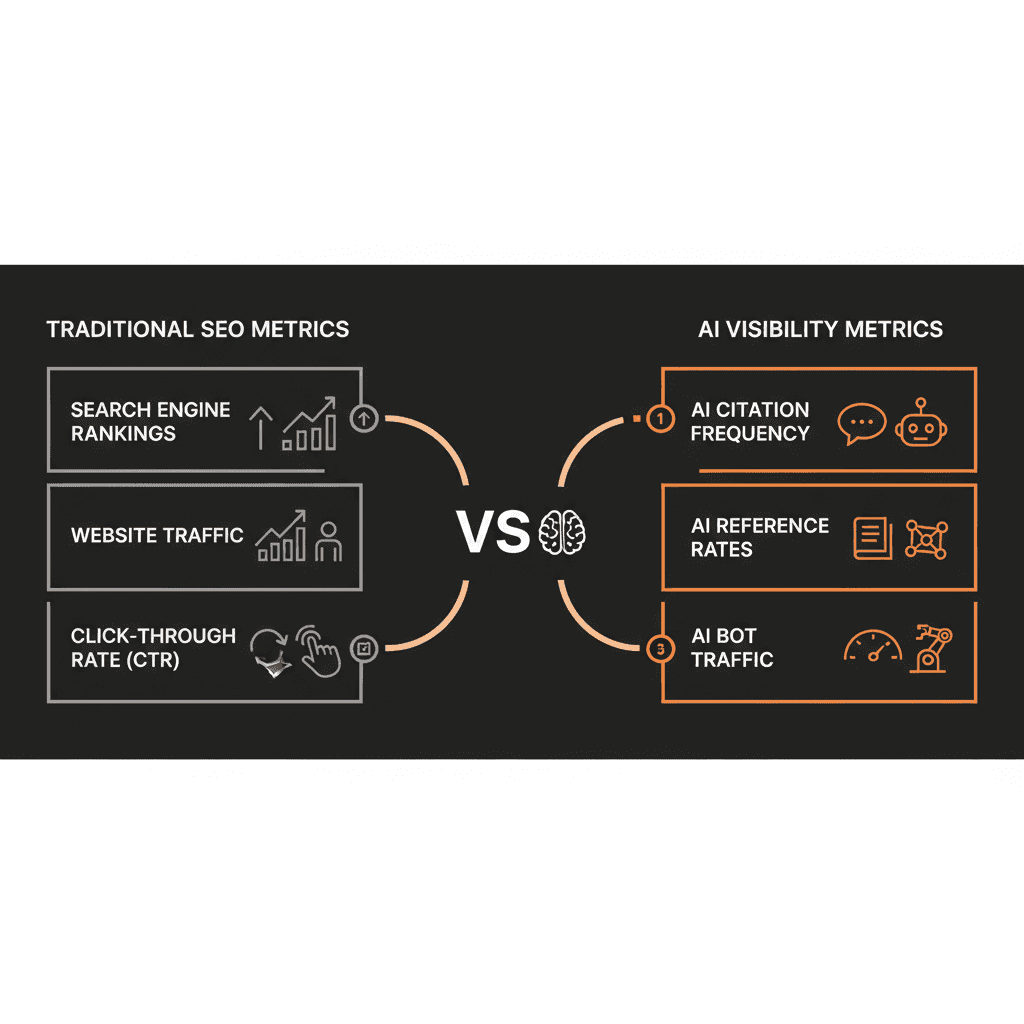
Organic traffic, keyword rankings, click-through rates, and conversions from organic search remain essential. Rising organic traffic suggests your keyword targeting, content optimization, and technical health work correctly.
Track these using:
Google Search Console: Impressions, clicks, CTR, average position
Google Analytics 4: User behavior, engagement patterns, conversion paths
Position tracking tools: Daily ranking data, share of voice, visibility, traffic forecasts
New AI Visibility Metrics
Forward-thinking organizations now measure "answer attribution"—how often their content appears as sources in AI responses alongside traditional search rankings.
Key AI visibility metrics:
Citation frequency: How often you're referenced in AI-generated answers
Reference rates: Percentage of relevant queries where you appear
Share of voice in AI responses: Your visibility compared to competitors
AI bot traffic: Monitoring GPTBot, ClaudeBot, and other AI crawlers
Tools like Semrush's AI toolkit, Ahrefs' Brand Radar, and specialized platforms like Profound enable tracking across ChatGPT, Perplexity, Gemini, and other AI engines.
Content Performance at Scale
For programmatic SEO and automation strategies:
Indexing rates: Percentage successfully indexed by search engines
Engagement metrics: Scroll depth, time on page, CTA clicks
Conversion attribution: How programmatic pages contribute to business goals
Traffic per page: Individual page performance across thousands of URLs
Quality signals: Bounce rate, return visits, content depth
Google Analytics and Search Console provide this data, but automation platforms should include built-in dashboards for real-time monitoring.
ROI and Efficiency Metrics
The performance trends reshaping 2026 ultimately connect to business outcomes:
Cost per acquisition: Track how organic search costs compare to paid channels
Production efficiency: Content created per hour or per dollar invested
Tool consolidation savings: Calculate costs of multiple tools versus integrated platforms
Customer lifetime value: Organic leads often convert better and retain longer
Marketing efficiency ratio: Revenue generated per marketing dollar invested
Companies using SEO automation typically recover their investment in under 6 months, with average returns of $5.44 for every $1 invested.
Emerging SEO Trends to Watch Through 2026
E-E-A-T Signals Intensify
Google continues rewarding smaller blogs written by people with real lived experience over faceless corporate content. This intensified with the June 2025 Core Update.
Brands must build genuine expertise signals:
Author bios with verifiable credentials
Third-party mentions and reviews
Podcast appearances and interviews
Social proof across platforms
Your brand isn't just what you say about yourself—it's what others say about you and whether that confirms your claims.
Personal, Conversational Title Tags
Google increasingly resembles YouTube in rewarding authentic, personality-driven titles. "I tested 10 tools for 6 months" outperforms "10 Best Tools in 2026."
Clickable (not clickbait) titles that deliver on promises see higher CTR and engagement. This reflects Google's shift toward user-focused signals.
Video Integration Becomes Standard
Embedding relevant YouTube videos in blog posts can improve rankings. Google sees video as a quality signal, while video content optimizes for visual search and proves E-E-A-T through demonstration.
Top-performing content in 2026 includes:
Tutorial videos showing processes
Expert interviews establishing authority
Case study walkthroughs providing proof
Product demos building trust
Branded Search Volume as KPI
Growing branded search volume indicates true SEO success in 2026. When users search for your brand name specifically, it signals to AI that you're a trusted authority worth referencing.
Track this in Google Search Console. If branded search trends upward, you're winning the 2026 SEO game.
Content Clusters and Topic Authority
Content clustering continues gaining importance. Take a main topic, develop subtopics, then branch into even more specific content. This helps address varying micro-intents and establishes topical authority that both Google and AI engines recognize.
Successful clusters include:
Pillar pages covering broad topics (3,000+ words)
Subtopic pages diving deeper (1,500-2,500 words)
Supporting content addressing specific questions (800-1,500 words)
Internal linking connecting the entire cluster
Frequently Asked Questions
Is SEO still relevant in 2026 with AI search growing? Yes. SEO evolved into something more essential. AI engines rely on traditional search indexes as their foundation, so strong SEO delivers compound returns across platforms.
How long does it take to see results from AI search optimization? AI search visibility can improve within 1-3 months for content properly structured with citations, statistics, and clear answers. Traditional SEO typically takes 6-12 months.
What's the average ROI for content automation platforms? Companies report $5.44 return per $1 invested in marketing automation, with most recovering costs in under 6 months. Enterprise implementations see 250%+ ROI improvements.
Do I need separate strategies for Google and AI search engines? No. Comprehensive SEO best practices (clarity, accuracy, structure, citations) work across both. Optimize once, rank everywhere is the 2026 approach.
How much content should I publish monthly in 2026? Quality over quantity remains crucial, but consistency matters. Successful brands publish 12-30+ articles monthly using automation while maintaining editorial standards and topical depth.
SEO performance trends in 2026 reveal a fundamental shift: brands using AI search optimization and content automation are achieving 40% visibility increases in generative engine responses, 250% ROI improvements, and 70% reductions in content production time.
Research from Princeton University, McKinsey, and industry leaders shows that traditional SEO alone no longer captures the full search landscape as 37% of consumers now start searches with AI tools instead of Google.
This isn't about replacing SEO. It's about evolving it.
When Keytomic analyzed performance data from 2025, three trends dominated: AI-powered search engines like ChatGPT and Perplexity capturing 527% more referral traffic, Generative Engine Optimization (GEO) delivering measurable visibility gains, and content automation platforms enabling 30+ article-per-month production without quality loss.
This guide examines verified case studies, performance metrics, and strategic frameworks reshaping organic growth in 2026.
AI Search Optimization: The New Performance Baseline
Zero-Click Search Dominates User Behavior
Google searches ending without a click reached 68% in 2025, up from previous years. AI Overviews now appear in 18% of global searches, while 37% of consumers initiate searches directly in ChatGPT, Perplexity, or Gemini rather than traditional search engines.
This creates a visibility paradox: your content can rank well in Google but remain invisible if it's not structured for AI citation. When McKinsey surveyed consumers in August 2025, 44% said AI-powered search was their primary and preferred source of insight, topping traditional search at 31%.
AI Overviews Expanded Then Stabilized
Semrush's analysis of 10+ million keywords from January to November 2025 revealed that Google rapidly expanded AI Overviews, then pulled back:
January 2025: Nearly 100% informational queries
November 2025: Navigational queries grew from under 1% to over 10%
Commercial queries: Ads alongside AI Overviews rose from 3% to 40%
The science vertical saw the highest AI Overview saturation at 26%, followed by computers & electronics at 18%. Food & drink experienced the fastest growth since March 2025.
AI Visibility Now Requires Dedicated Optimization
BrightEdge data from January through August 2025 showed AI search experiencing double-digit month-over-month growth rates. Yet while growing fast, AI search still accounts for less than 1% of total referral traffic, with organic search remaining the primary conversion driver.
Here's what that means: optimize once using comprehensive SEO best practices, and your content becomes discoverable across traditional search, AI overviews, ChatGPT, Perplexity, and emerging platforms. All major AI engines rely on traditional search indexes as their foundation.
Generative Engine Optimization Results: 40% Visibility Increases
The GEO Research That Changed Everything
Researchers from Princeton University, IIT Delhi, Georgia Tech, and the Allen Institute for AI introduced Generative Engine Optimization (GEO) in 2023, then validated it through rigorous 2024-2025 testing.
Their findings were clear: GEO methods can boost content visibility in generative engine responses by up to 40% when measured by Position-Adjusted Word Count and Subjective Impression metrics.
What Actually Works in GEO
The Princeton research tested multiple GEO strategies across diverse query types and domains. Three methods delivered consistent results:
Citation Addition: Content that cites credible sources gets cited significantly more by AI engines. The mechanism is straightforward: AI platforms prioritize content demonstrating research rigor and factual grounding. Adding authoritative citations improved visibility by 15-30%.
Statistics Integration: Domains like law & government and opinion-based queries benefit significantly when content includes relevant statistics. Data-driven evidence enhanced visibility by 22-37% depending on the domain.
Fluency Optimization: Improving readability and content structure resulted in 15-30% visibility boosts. Generative engines value not only content but how clearly that content communicates.
Domain-Specific Performance Variations
The efficacy of GEO strategies varies significantly across verticals. For example:
People & Society, History: Quotation addition proved most effective
Law & Government: Statistics addition delivered maximum impact
Technical domains: Fluency optimization combined with citation addition produced best results
This underscores the need for domain-specific optimization rather than one-size-fits-all approaches.
Real-World GEO Implementation
By mid-2025, GEO had been incorporated into enterprise analytics platforms. Companies like Semrush and specialized tools like Profound, Goodie, and Daydream enable brands to:
Track how they appear in AI-generated responses
Monitor sentiment across model outputs
Understand which publishers shape model behavior
Measure reference rates (how often content is cited)
Ahrefs' Brand Radar now tracks brand mentions in AI Overviews, helping companies understand how they're framed by generative engines.
Content Automation Case Studies: 250% ROI and 70% Time Savings
TechVision Solutions: Daily LinkedIn Posts at 70% Reduced Effort
TechVision, a mid-sized software development company, faced major LinkedIn content challenges: inconsistent posting, time-intensive manual creation, and difficulty maintaining brand voice at scale.
After implementing AI-powered content automation:
Content production time: Reduced from 8+ hours to 90 minutes per week
Posting frequency: Shifted to daily consistency
Lead quality: Improved measurably
Conversion rates: Increased through better-targeted content
The implementation involved training AI systems on past successful posts and brand guidelines, then automating scheduling and performance tracking. Within 60 days, TechVision achieved faster content creation and noticeable engagement boosts.
MarketPro Solutions: Automated Blog-to-LinkedIn Conversion
MarketPro previously used manual methods to convert blog articles into LinkedIn posts, leading to inconsistent messaging and publication delays that limited lead generation.
Switching to AI-driven processes brought:
Consistency: Uniform brand voice across all content
Speed: Eliminated publication delays
Engagement: More consistent posting drove better audience connection
Cost efficiency: Reduced content creation costs by up to 50%
The automation ensured more consistent posting while attracting better-quality leads and improving conversion rates.
Netflix and HubSpot: Enterprise-Scale Content Repurposing
Netflix reported a 43% increase in social media engagement after implementing AI-driven content repurposing strategies. HubSpot achieved a 28% boost in lead generation by converting blog posts into podcast episodes using AI tools.
These enterprise examples demonstrate that content automation ROI scales across company sizes when implemented strategically.
Marketing Automation: 30% ROAS Improvement
One marketing company integrated AI-driven campaign optimization and observed:
Return on ad spend: Increased 30%
Customer acquisition costs: Decreased 25%
Customer retention rates: Improved 20%
Budget reallocation: Redirected $200,000 annually from paid advertising to product development
The combination of higher traffic volume and better conversion performance demonstrated clear financial impact in quarterly results.
Programmatic SEO: Scaling to Millions of Keywords
Companies using programmatic SEO achieve remarkable scale:
Zapier: Ranks for over 1.3 million keywords through automated integration pages
Wise: Dominates currency conversion queries with proprietary data pages
Tripadvisor: Controls "things to do in [city]" searches globally
Programmatic SEO works when you have:
Repeatable search query patterns
Unique, valuable data
Templates that genuinely help users
Quality maintained at scale
Monthly organic traffic for successful programmatic implementations often increases from 8,000 to 150,000+ visitors, with conversion rates improving from 0.8% to 2.4%.
How Keytomic Powers These Performance Trends
End-to-End SEO Automation for Modern Search
Keytomic addresses the three major SEO performance trends shaping 2026: AI search visibility, content automation efficiency, and multi-platform optimization.
The platform automates your entire organic growth workflow:
Keyword Research Automation: Discover high-value opportunities across traditional and AI search without manual analysis.
E-E-A-T-Optimized Content Generation: Create content that ranks in Google while being structured for AI citation in ChatGPT, Perplexity, and Gemini responses.
Custom Branded Image Creation: Generate on-brand visuals that enhance engagement and E-E-A-T signals.
Multi-CMS Publishing: One-click publishing to WordPress, Shopify, and other platforms.
Auto-Indexing: Ensure content gets crawled and indexed quickly by Google.
The $99/Month Alternative to 5-8 SEO Tools
Busy founders and marketing teams typically juggle separate tools for keyword research ($50-200/month), content optimization ($100-300/month), image creation ($20-50/month), publishing workflows, and performance tracking. That's $300-800+ monthly before you factor in the time cost of switching between platforms.
Keytomic consolidates this workflow for $99/month, enabling 30+ articles monthly while maintaining quality and optimizing for both traditional SEO and AI search visibility.
Real Performance Metrics
Teams using Keytomic report:
Content velocity: 300% increase (from 10 to 30+ articles monthly)
Production time: 70% reduction per article
Tool consolidation: 97% cost reduction by replacing 5-8 separate platforms
AI visibility: Structured content optimized for GEO from creation
Indexing speed: Automated submission reduces time-to-ranking
Why This Matters for 2026
The brands winning in 2026 aren't just doing traditional SEO or just optimizing for AI search. They're doing both, systematically, at scale. When 60% of marketing teams plan to reallocate SEO budgets toward AI search optimization, the competitive advantage goes to platforms that handle this complexity automatically.
Start your free trial and see how Keytomic automates the entire workflow from keyword discovery to indexed, AI-optimized content.
Key SEO Performance Metrics That Matter in 2026
Traditional Metrics Still Foundation
Organic traffic, keyword rankings, click-through rates, and conversions from organic search remain essential. Rising organic traffic suggests your keyword targeting, content optimization, and technical health work correctly.
Track these using:
Google Search Console: Impressions, clicks, CTR, average position
Google Analytics 4: User behavior, engagement patterns, conversion paths
Position tracking tools: Daily ranking data, share of voice, visibility, traffic forecasts
New AI Visibility Metrics
Forward-thinking organizations now measure "answer attribution"—how often their content appears as sources in AI responses alongside traditional search rankings.
Key AI visibility metrics:
Citation frequency: How often you're referenced in AI-generated answers
Reference rates: Percentage of relevant queries where you appear
Share of voice in AI responses: Your visibility compared to competitors
AI bot traffic: Monitoring GPTBot, ClaudeBot, and other AI crawlers
Tools like Semrush's AI toolkit, Ahrefs' Brand Radar, and specialized platforms like Profound enable tracking across ChatGPT, Perplexity, Gemini, and other AI engines.
Content Performance at Scale
For programmatic SEO and automation strategies:
Indexing rates: Percentage successfully indexed by search engines
Engagement metrics: Scroll depth, time on page, CTA clicks
Conversion attribution: How programmatic pages contribute to business goals
Traffic per page: Individual page performance across thousands of URLs
Quality signals: Bounce rate, return visits, content depth
Google Analytics and Search Console provide this data, but automation platforms should include built-in dashboards for real-time monitoring.
ROI and Efficiency Metrics
The performance trends reshaping 2026 ultimately connect to business outcomes:
Cost per acquisition: Track how organic search costs compare to paid channels
Production efficiency: Content created per hour or per dollar invested
Tool consolidation savings: Calculate costs of multiple tools versus integrated platforms
Customer lifetime value: Organic leads often convert better and retain longer
Marketing efficiency ratio: Revenue generated per marketing dollar invested
Companies using SEO automation typically recover their investment in under 6 months, with average returns of $5.44 for every $1 invested.
Emerging SEO Trends to Watch Through 2026
E-E-A-T Signals Intensify
Google continues rewarding smaller blogs written by people with real lived experience over faceless corporate content. This intensified with the June 2025 Core Update.
Brands must build genuine expertise signals:
Author bios with verifiable credentials
Third-party mentions and reviews
Podcast appearances and interviews
Social proof across platforms
Your brand isn't just what you say about yourself—it's what others say about you and whether that confirms your claims.
Personal, Conversational Title Tags
Google increasingly resembles YouTube in rewarding authentic, personality-driven titles. "I tested 10 tools for 6 months" outperforms "10 Best Tools in 2026."
Clickable (not clickbait) titles that deliver on promises see higher CTR and engagement. This reflects Google's shift toward user-focused signals.
Video Integration Becomes Standard
Embedding relevant YouTube videos in blog posts can improve rankings. Google sees video as a quality signal, while video content optimizes for visual search and proves E-E-A-T through demonstration.
Top-performing content in 2026 includes:
Tutorial videos showing processes
Expert interviews establishing authority
Case study walkthroughs providing proof
Product demos building trust
Branded Search Volume as KPI
Growing branded search volume indicates true SEO success in 2026. When users search for your brand name specifically, it signals to AI that you're a trusted authority worth referencing.
Track this in Google Search Console. If branded search trends upward, you're winning the 2026 SEO game.
Content Clusters and Topic Authority
Content clustering continues gaining importance. Take a main topic, develop subtopics, then branch into even more specific content. This helps address varying micro-intents and establishes topical authority that both Google and AI engines recognize.
Successful clusters include:
Pillar pages covering broad topics (3,000+ words)
Subtopic pages diving deeper (1,500-2,500 words)
Supporting content addressing specific questions (800-1,500 words)
Internal linking connecting the entire cluster
Frequently Asked Questions
Is SEO still relevant in 2026 with AI search growing? Yes. SEO evolved into something more essential. AI engines rely on traditional search indexes as their foundation, so strong SEO delivers compound returns across platforms.
How long does it take to see results from AI search optimization? AI search visibility can improve within 1-3 months for content properly structured with citations, statistics, and clear answers. Traditional SEO typically takes 6-12 months.
What's the average ROI for content automation platforms? Companies report $5.44 return per $1 invested in marketing automation, with most recovering costs in under 6 months. Enterprise implementations see 250%+ ROI improvements.
Do I need separate strategies for Google and AI search engines? No. Comprehensive SEO best practices (clarity, accuracy, structure, citations) work across both. Optimize once, rank everywhere is the 2026 approach.
How much content should I publish monthly in 2026? Quality over quantity remains crucial, but consistency matters. Successful brands publish 12-30+ articles monthly using automation while maintaining editorial standards and topical depth.
FREE AI Visibility Audit

Is Your Brand Visible in AI Searches?
Free AI Visibility Audit → See where you appear (and where competitors appear).
Read More From Our Blog...
Best AI Tools for Increasing Visibility in LLMs 2026

Peec AI vs Keytomic (2026): Which AI Visibility Platform Is Better?

Top 10 best AI SEO tools for content automation in 2026

Start Getting Cited By Google
and AI Searches on Auto-Pilot


AI SEO agents research keywords, write & publish ranking content, track AI citations, and grow your brand visibility — while you focus on the business.


Trusted by 300+ users

4.5
Start Getting Cited By Google
and AI Searches on Auto-Pilot
Automate your SEO to rank faster, and showing up in AI search, without the guesswork.
Trusted by 300+ users
4.5
Start Getting Cited By Google
and AI Searches on Auto-Pilot
AI SEO agents research keywords, write & publish ranking content, track AI citations, and grow your brand visibility — while you focus on the business.
Trusted by 300+ users