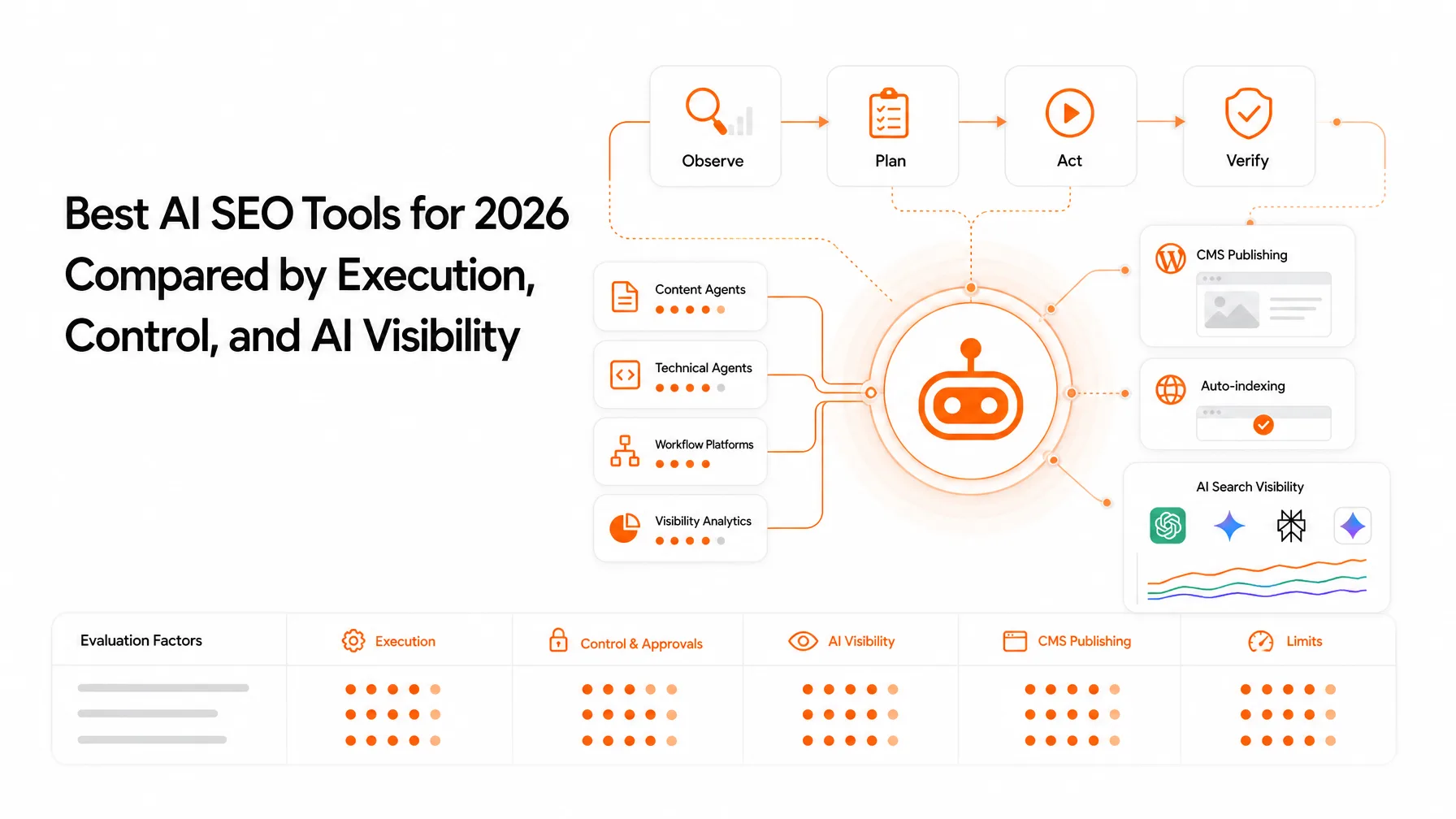
If you are managing a B2B SaaS marketing team in 2026, your pipeline is increasingly being shaped before your sales team ever gets involved. Prospects are asking ChatGPT which CRM to shortlist, using Perplexity to compare project management tools, and letting Google AI Overviews summarise vendor options before they click a single link.
Traditional SEO tools do not always show whether your brand appears in AI-generated answers. Being absent from the responses that buyers use to build a shortlist can mean missing an early consideration moment. That is where AI visibility solutions come in, but choosing the right one depends on understanding what these platforms do and what your team needs.
Understanding the AI Visibility Problem for B2B SaaS
Why Traditional SEO Metrics Don’t Capture AI Visibility
Your Google Analytics might show stable organic traffic, but that number no longer tells the full story. When someone asks ChatGPT about “best marketing automation for startups,” they receive a curated answer that mentions 3-5 brands. If yours isn’t one of them, you’re invisible at the exact moment a buyer builds their consideration set.
Some B2B buyers now use generative AI while researching vendors. For those buyers, your Google ranking is only part of the discovery journey; whether AI systems mention and cite you also matters.
The Three Types of Buyer Queries That Determine AI Visibility
AI platforms respond to three distinct query patterns:
Category questions: “What are the best SEO tools for agencies?”
Comparison queries: “Compare Semrush vs Ahrefs for content teams”
Solution-seeking prompts: “I need a tool that automates keyword research and content briefs”
Your brand’s presence in these responses directly influences pipeline. Keytomic approaches this by building content that answers all three query types within a unified workflow—from keyword discovery through auto-publishing.
How AI Visibility Differs from Traditional Search Visibility
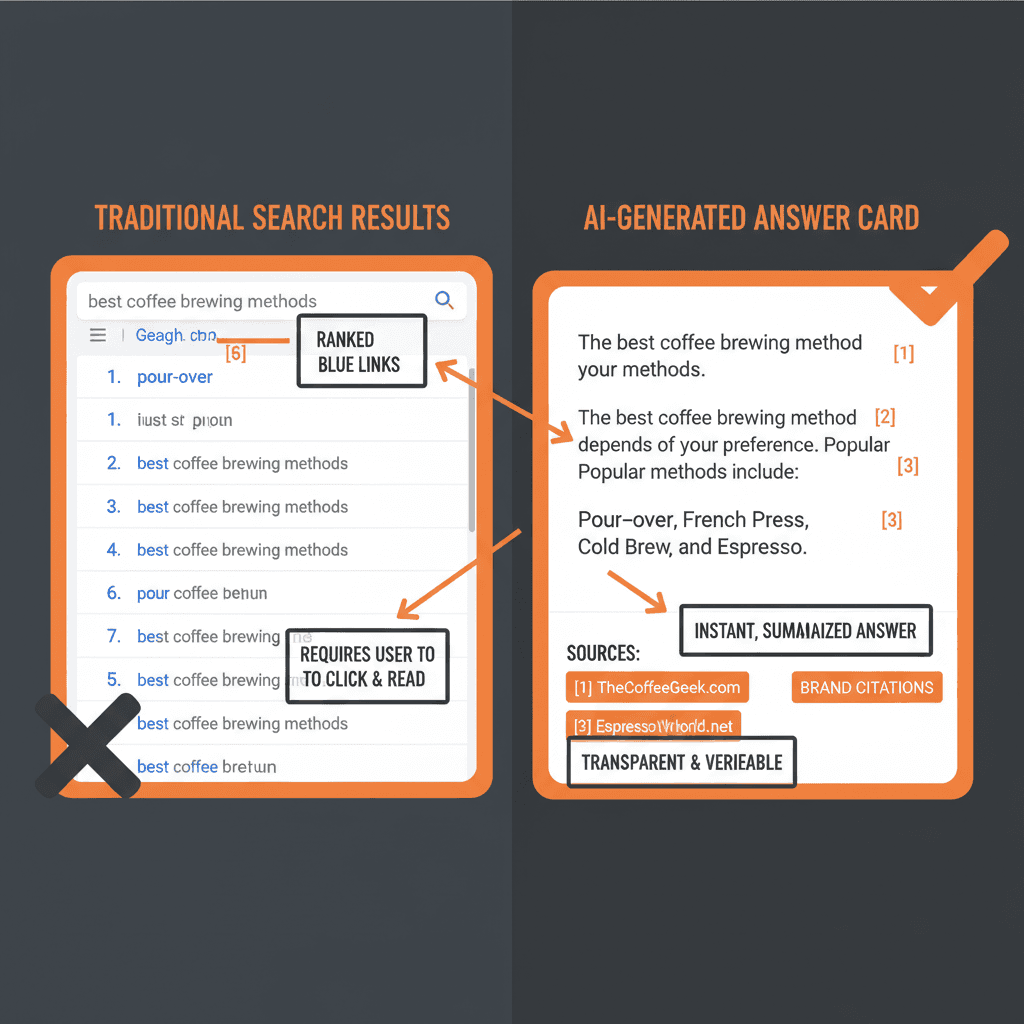
Traditional SEO optimizes for clicks from a ranked list. AI visibility optimizes for mentions inside synthesized answers. The metrics shift from positions and CTR to citation frequency, sentiment in AI descriptions, and share of voice against competitors.
AI Overviews can reduce clicks to ordinary organic results, while cited sources may still receive visits. The effect varies by query and buyer intent, so measure referral traffic and lead quality rather than assuming a fixed click-through rate.
The Three Categories of AI Visibility Solutions
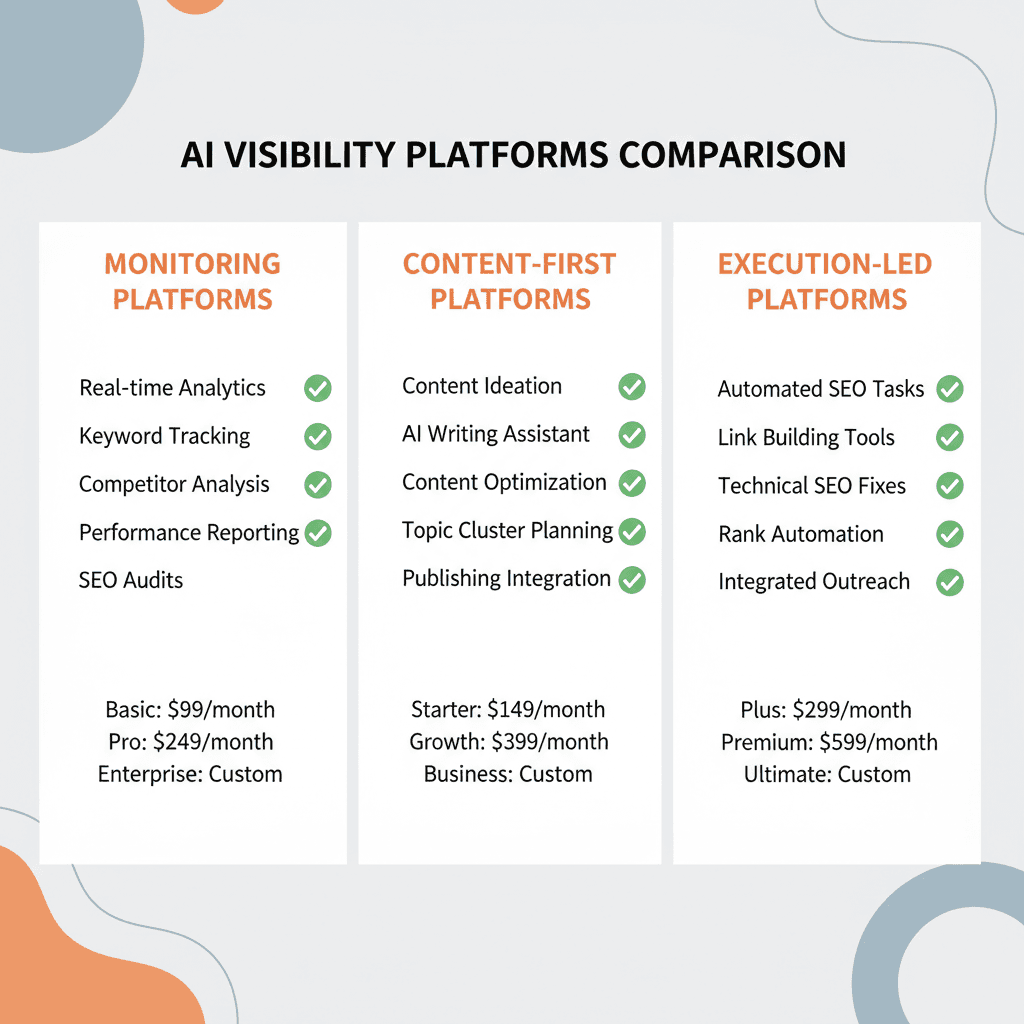
Monitoring-First Platforms
Monitoring platforms track where and how your brand appears across AI engines. They answer questions like: How often does ChatGPT mention us? What does Perplexity say about our features? Which competitors appear more frequently?
What These Tools Actually Do
Monitoring-first platforms run recurring prompt tests across multiple AI engines. They log responses, identify brand mentions, track citation sources, and measure share of voice. Most offer competitive benchmarking and sentiment analysis.
Typical capabilities include:
Daily or weekly tracking across ChatGPT, Perplexity, Gemini, Claude, and Google AI Overviews
Prompt libraries organized by buyer journey stage
Citation source analysis showing which URLs AI platforms reference
Competitive comparison showing your mentions vs rivals
Historical trending to spot visibility gains or losses
Best For
These work well for teams who already have content operations in place and just need visibility data. You’re creating content regularly, you have editorial resources, and you want to measure AI presence without changing your workflow.
Representative Tools
Profound positions itself as the enterprise monitoring solution with coverage across 10+ AI engines. The platform provides near real-time data, robust API access, and integrates with BI tools for custom dashboards. Pricing reflects enterprise positioning at premium tiers.
Scrunch AI offers broad engine coverage with granular prompt-level configuration. You define which prompts to track, how to group them by persona or journey stage, and which engines to monitor. The upcoming Agent Experience Platform promises an AI-optimized shadow site layer.
SE Visible (from SE Ranking) brings AI visibility tracking into an established SEO suite. It shows visibility scores, perception analysis, and competitive positioning across ChatGPT, Perplexity, Gemini, AI Mode, and AI Overviews. Best for teams already standardized on SE Ranking who want baseline AI monitoring without adding a separate tool.
Content-First Platforms
Content-first solutions combine AI visibility tracking with content generation capabilities. They track where you appear, then help you create content optimized for AI citation.
The Integrated Approach
These platforms recognize that monitoring without action doesn’t move the needle. They provide citation tracking alongside content briefs, AI-optimized writing tools, and recommendations for improving citation potential.
Core features typically include:
Visibility tracking across major AI platforms
Content gap analysis showing topics where competitors get cited but you don’t
AI writing assistants tuned for citation-friendly structure
Content scoring based on AI extractability
Recommendations for improving existing content
When This Model Works
Content-first platforms suit teams where content creation is the bottleneck. You understand the importance of AI visibility, but you need help producing the volume and quality of content that earns citations.
Leading Examples
Writesonic tracks brand mentions and share of voice across ChatGPT, Claude, Google AI Overviews, and others. But it also provides AI writing tools, content optimization features, and citation-optimized templates. You can research, create, optimize, and measure AI visibility in one platform.
Goodie AI bundles visibility tracking with content recommendations and sentiment monitoring. Teams choose it when they want visibility data and clear next actions. The platform treats AI assistants as a new “page one” and helps you fight for top recommendations.
AthenaHQ combines real-time visibility tracking with an Action Center that delivers recommendations across text, image, and video formats. Founded by former Google Search and DeepMind engineers, it provides both monitoring and prescriptive optimization in a full-stack GEO dashboard.
Execution-Led Systems
Execution-led platforms go beyond monitoring and recommendations to actually implement optimization changes. They track visibility, identify gaps, and deploy content improvements through CMS integrations or API connections.
How Automated Execution Works
These systems connect directly to your content infrastructure. When they identify an optimization opportunity—missing schema markup, weak internal linking, outdated content—they can push updates automatically or through approval workflows.
Capabilities typically include:
Automated schema markup generation and deployment
Internal linking suggestions with one-click implementation
Content refresh scheduling based on recency signals
Multi-CMS publishing from centralized workflows
Rollback capabilities when changes don’t perform
Ideal Use Cases
Execution-led platforms make sense for teams managing large content volumes across multiple properties. Manual implementation becomes the bottleneck, and automation delivers compound efficiency gains.
Platform Examples
Quattr positions itself as execution-led with monitoring plus deployment capabilities. It focuses on turning monitoring insights into implemented changes, though the specific automation scope should be verified for your CMS setup.
Keytomic approaches this differently by unifying the entire workflow. Rather than bolting AI visibility onto existing SEO tools, Keytomic treats it as one component of an autonomous content engine. The platform handles keyword discovery, 30-day content roadmaps, GEO-optimized writing, multi-CMS publishing, and auto-indexing in a single workflow. For lean teams, this eliminates the need to coordinate separate tools for content creation, SEO optimization, and AI visibility tracking.
How to Choose the Right AI Visibility Solution
Matching Platform Type to Team Maturity
Your current content operation determines which platform type fits best.
Early-Stage Teams
If you’re a startup with limited content and no dedicated SEO resources, content-first platforms offer the fastest path to results. They combine education, content creation, and visibility tracking in one package.
Established Content Operations
Teams with consistent publishing workflows and editorial resources benefit most from monitoring-first tools. You don’t need help creating content—you need data on what’s working in AI.
Scale-Stage Companies
Once you’re managing hundreds or thousands of pages, execution-led platforms justify their complexity. Manual optimization doesn’t scale, and automated deployment becomes a force multiplier.
Budget Considerations by Platform Type
Pricing models vary significantly across categories:
Monitoring platforms: Typically $89-500/month based on prompt volume and engine coverage
Content-first tools: $199-600/month with writing and optimization features included
Execution-led systems: $500-2,500/month for enterprise features and automation capabilities
For teams watching costs, integrated platforms like Keytomic consolidate budget by replacing multiple tools. Instead of paying separately for keyword research, content briefs, SEO optimization, and AI visibility tracking, you get one platform that handles the full workflow.
Platform Coverage: Which AI Engines Actually Matter
Not all AI engines drive equal business value. Your target buyer behavior determines which platforms to prioritize.
Core Platforms for B2B SaaS
ChatGPT can refer B2B visitors when its answers mention a vendor or cite a useful source. Track actual referral sessions and qualified leads rather than relying on an industry-wide prompt or signup estimate.
Google AI Overviews can occupy prominent space above ordinary results on eligible queries. Measure your presence for the queries that matter to your buyers.
Perplexity can send referral traffic when its answers cite a useful source. Track those citations and resulting visits for your own site; market share varies by audience and measurement method.
Secondary Platforms
Claude, Gemini, and Microsoft Copilot matter for comprehensive coverage but drive less direct B2B intent. Prioritize core platform visibility first, then expand coverage as resources allow.
Technical Integration Requirements
Some platforms require significant technical setup while others work out-of-the-box.
Minimal Setup Solutions
Monitoring-first platforms typically need only domain verification and prompt configuration. You can start tracking visibility within hours.
CMS-Dependent Platforms
Execution-led tools require deeper integration. They need API access to your CMS, schema deployment capabilities, and often custom configuration for your tech stack. Implementation timelines extend to weeks rather than hours.
API-First Architectures
Platforms built API-first offer flexibility but demand technical resources. Keytomic’s API-first architecture supports custom workflows and integration with existing martech stacks, which matters for agencies managing multiple client sites.
What Actually Drives AI Visibility
The Multi-Source Consensus Principle
AI platforms don’t cite brands based on a single signal. According to research from Profound and SEMrush, they look for agreement across multiple independent sources before confidently recommending a brand.
If your product appears consistently across Reddit discussions, YouTube tutorials, industry publications, review sites like G2, and your own website—all with similar positioning—AI systems gain confidence in citing you. This is the “consensus signal” that triggers mentions.
Content Structure That AI Systems Prefer
Citation-friendly content follows specific patterns:
Direct answers first: Lead with a clear, factual response in the opening paragraph
Structured formatting: Use headings, bullets, and tables that AI can parse easily
Evidence and citations: Include statistics, quotes, and source links
Schema markup: Add structured data for articles, FAQs, and how-to content
Recency signals: Update publication dates and content regularly
Clear structure and direct answers make a page easier for readers and retrieval systems to understand. Add FAQ sections when they answer real buyer questions, then check whether those pages earn citations in your own tracking.
The Wikipedia and Reddit Phenomenon
AI assistants cite a mix of encyclopedias, communities, publishers, and company-owned pages. The mix varies by platform and query, so do not rely on a single source type.
Build useful owned content and support it with credible mentions on other sites. Buyers and AI systems may encounter your brand across several source types.
Platform-Specific Citation Patterns
Different AI engines favor different source types:
ChatGPT leans toward encyclopedic authority. It favors Wikipedia, major publications, and established brand sites. Competitor websites receive 11.1 points higher citation rates than intermediary review sites for B2B queries.
Perplexity emphasizes community and experience-driven sources. Reddit, YouTube, and review platforms like G2 and Yelp appear frequently in Perplexity citations.
Google AI Overviews can cite pages that also appear in traditional search results, but there is no fixed top-20 requirement for citation. Strong technical SEO and useful content improve discoverability.
Why B2B SaaS Teams Choose Keytomic for AI Visibility
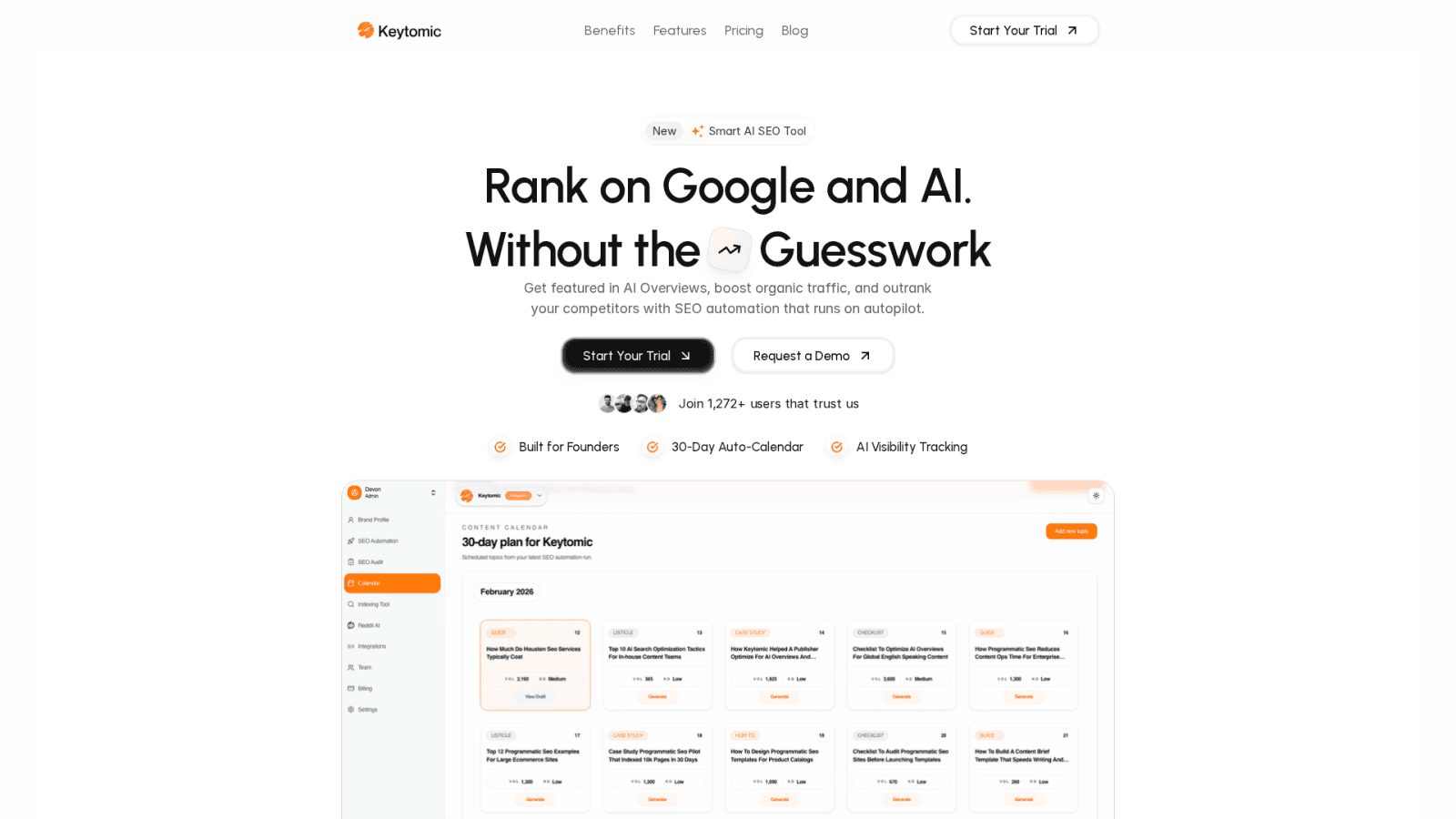
Most AI visibility solutions add another tool to an already crowded marketing stack. You end up coordinating keyword research in one platform, content creation in another, SEO optimization in a third, and AI visibility tracking in a fourth. Each handoff creates friction, delays, and coordination overhead.
Keytomic eliminates this fragmentation by treating AI visibility as one component of a unified content engine. The platform discovers high-intent keywords, generates 30-day content roadmaps, creates GEO-optimized content, publishes to any CMS, and handles auto-indexing—all in one autonomous workflow.
For lean marketing teams and agencies, this approach delivers three key advantages:
Consolidated Workflow, Not Separate Tools
Rather than logging into multiple platforms, your team works in a single environment. The system that recommends topics also optimizes for AI citations, publishes content, and tracks performance. This reduces context switching and accelerates velocity.
Built for Both Traditional Search and AI Visibility
The transition from Google SEO to AI-driven discovery isn’t binary. Buyers use both traditional search and AI platforms. Keytomic’s content engine optimizes for Google rankings while simultaneously structuring content for AI extractability and citation. You don’t choose between SEO and GEO—you get both.
Designed for Teams Without Dedicated SEO Specialists
Most B2B SaaS teams don’t have full-time SEO professionals. Keytomic’s autonomous engine handles the technical complexity—keyword clustering, competitive analysis, content structure, schema markup, internal linking, and indexing—without requiring deep SEO expertise. This makes sophisticated optimization accessible to founders, product marketers, and growth teams.
Explore Keytomic’s pricing to see how unified content automation compares to coordinating separate tools for SEO, content creation, and AI visibility.
Implementation Strategy: Getting Started with AI Visibility
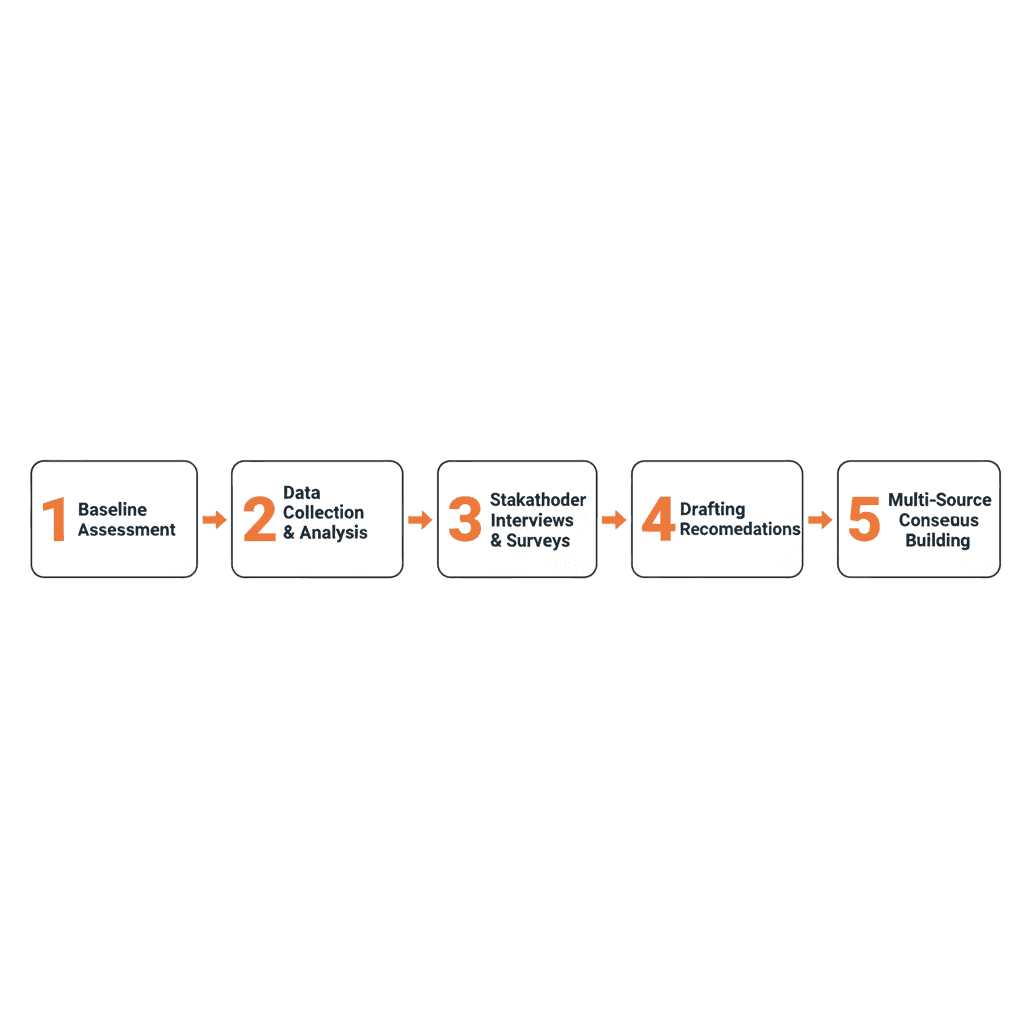
Step 1: Establish Your Current Visibility Baseline
Before choosing a platform, understand where you stand today.
Run manual checks across core AI platforms:
Search your category in ChatGPT: “What are the best [your category] tools for [your ICP]?”
Test comparison queries in Perplexity: “Compare [your brand] vs [competitor] for [use case]”
Check Google AI Overviews for your core keywords
Note whether you’re mentioned, how you’re characterized, who appears alongside you, and which competitors dominate the responses. This baseline reveals your visibility gaps and competitive threats.
Step 2: Identify Your Biggest Leverage Point
Different teams face different constraints:
If content volume is your bottleneck: Content-first platforms deliver the fastest ROI by combining visibility tracking with production capabilities.
If you publish consistently but lack visibility data: Monitoring-first platforms provide the intelligence you need without disrupting existing workflows.
If you manage large content volumes across multiple properties: Execution-led platforms automate the optimization work that doesn’t scale manually.
If you’re building content operations from scratch: Unified platforms like Keytomic eliminate tool coordination overhead and deliver integrated workflows.
Step 3: Define Success Metrics Beyond Rankings
AI visibility requires new measurement frameworks:
Citation rate: Percentage of relevant AI responses that mention your brand
Share of voice: Your mentions vs competitor mentions across tracked prompts
Sentiment analysis: How AI characterizes your brand (positive/neutral/negative)
Source diversity: Number of distinct URLs AI platforms cite when mentioning you
Referral traffic: Direct visits from AI platform citations (trackable from Perplexity)
Traditional metrics like keyword rankings and organic traffic remain important, but AI influence often happens before clicks occur. Buyers build consideration sets inside AI conversations, then visit sites for validation.
Step 4: Start with High-Intent Content
Don’t try to optimize your entire site for AI visibility on day one. Prioritize content that addresses high-intent buyer queries:
Category and comparison pages
Use case and solution pages
Integration and feature documentation
Buyer’s guides and evaluation frameworks
Customer success stories and case studies
These pages answer the questions buyers actually ask AI platforms. Optimizing them for citation delivers disproportionate pipeline impact.
Step 5: Build Multi-Source Consensus
AI visibility isn’t just about your owned content. Build presence across the sources AI platforms trust:
Contribute genuinely to relevant Reddit communities
Create YouTube content explaining your product and use cases
Earn mentions in industry publications and comparison articles
Maintain accurate, detailed profiles on G2, Capterra, and review platforms
Publish thought leadership on LinkedIn and Medium
This distributed presence creates the consensus signals that increase citation confidence.
Common Mistakes When Choosing AI Visibility Solutions
Treating All AI Platforms as Identical
ChatGPT, Perplexity, and Google AI Overviews use different systems to find and present sources. A platform that tracks only one engine gives you an incomplete view of where your brand appears. Compare the actual citations and prompts relevant to your buyers.
Choose platforms with multi-engine coverage, or at minimum, coverage of the engines your buyers actually use.
Prioritizing Monitoring Over Action
Visibility data without optimization changes nothing. Too many teams buy monitoring platforms, see disappointing numbers, but lack the resources or expertise to improve them.
If your team struggles with content creation or technical SEO implementation, monitoring-only platforms won’t drive results. You need integrated tools that combine tracking with content capabilities or automated execution.
Ignoring Traditional SEO in Favor of AI Optimization
AI visibility extends traditional SEO. Google AI Overviews can cite pages from a range of ranking positions, so there is no guaranteed organic rank cutoff. Keep your pages crawlable and useful, then measure whether they appear in the answers your buyers see.
The most effective approach optimizes for both traditional search and AI visibility simultaneously. Platforms like Keytomic handle this naturally by creating content structured for Google rankings and AI extractability within the same workflow.
Underestimating Implementation Complexity
Some platforms promise comprehensive visibility but require significant technical setup. Schema implementation, robots.txt configuration, canonical tag management, and CMS integration all create implementation friction.
Before committing, verify implementation requirements against your team’s technical capabilities. For non-technical teams, platforms with minimal setup requirements or done-for-you implementation deliver faster time-to-value.
Expecting Overnight Results
AI visibility compounds over time. Fresh content needs to be crawled, indexed, and evaluated against existing sources. AI models update their retrieval patterns as new information becomes available.
Most teams see meaningful citation improvements 4-8 weeks after implementing optimization changes. Set realistic expectations and commit to consistent content production rather than one-time optimization sprints.
Frequently Asked Questions
How is AI visibility different from traditional SEO? Traditional SEO optimizes for clicks from ranked search results, while AI visibility optimizes for mentions inside synthesized answers. Success metrics shift from rankings and traffic to citation frequency and share of voice.
Do I need a separate tool for AI visibility or can my existing SEO platform handle it? Most traditional SEO platforms have added basic AI visibility features, but they’re often limited to Google AI Overviews. If your buyers use ChatGPT, Perplexity, or other AI platforms, dedicated AI visibility tools or unified platforms like Keytomic provide more comprehensive coverage.
Which AI platform should I optimize for first? Prioritize based on your buyer behavior. For B2B SaaS with US buyers, ChatGPT and Google AI Overviews drive the highest-intent traffic. Perplexity matters for its trackable referral traffic and growing market share.
How long does it take to see results from AI visibility optimization? Most teams see initial citation improvements 4-8 weeks after implementing content and technical optimizations. Results compound over time as you build multi-source consensus and AI systems gain confidence in your authority.
Can small teams compete with larger competitors in AI visibility? Yes. AI platforms prioritize content quality, structure, and multi-source validation over brand size. Small teams with focused content strategies often outperform larger competitors who haven’t adapted to AI-driven discovery. Tools like Keytomic level the playing field by automating sophisticated optimization that previously required dedicated SEO teams.